How Much Garden Space a Family Actually Needs
One of the most common questions I hear from families who want to grow more of their own food is this:
“How big of a garden do we actually need?”
Not a Pinterest-perfect garden.
Not a hobby garden.
But a real, practical garden that meaningfully feeds a family—without turning into a second full-time job.
The truth is, most advice online swings to extremes. Either it tells you that you need acres and a tractor to matter… or it insists a few raised beds will magically feed your whole household.
Neither is honest.
So today, we’re going to talk about realistic garden space—based on calories, storage crops, family size, time, and seasonality—so you can plan wisely and grow steadily into food security without fear-based prepping.

Disclaimer
This post contains affiliate links. This means we may earn a commission should you chose to sign up for a program or make a purchase using these links. There is no added cost to you but your purchase through these links helps support our content! Not to worry- I truly believe in and/or use everything I promote!
We also utilize advertisements on many of our articles. This is simply a way to help support all the work we do here at Wild N Free Farms, without adding any extra cost to our readers. Check out our disclaimer and disclosure page for more details.
The Biggest Mistake Families Make When Planning Garden Size
Most families plan gardens based on how much looks manageable, not on what actually feeds them.
We tend to ask:
- How much space do I have?
- How many beds feel doable?
- What looks good on paper?
Instead, the better question is:
What role do I want my garden to play in feeding my family?
There’s a big difference between:
- Supplementing grocery trips
- Covering produce needs in summer
- Providing real calories and stored food year-round
Once you define that role, the space becomes much easier to calculate.
Garden Space Depends on Function, Not Just Family Size
Rather than giving you one magic number, I want to walk you through three practical garden tiers that families naturally grow into.
1. The Supplement Garden (500–1,000 sq ft)
This garden:
- Reduces grocery bills
- Provides fresh produce in season
- Builds skills and confidence
It typically includes:
- Salad greens
- Tomatoes
- Cucumbers
- Zucchini
- Herbs
- A few beans or peppers
Who this works for:
Families just starting out, busy households, or anyone focusing on skill-building rather than full food replacement.
👉 This garden feeds your meals, not your pantry.
2. The Seasonal Feeding Garden (1,500–3,000 sq ft)
This is where gardens start to matter financially.
At this size, families can:
- Eat primarily from the garden in summer
- Preserve food for winter
- Reduce reliance on store-bought produce
You’ll start growing:
For a family of 4, this is often the sweet spot for balanced effort and reward.
👉 This garden feeds your family daily during the growing season and supports your pantry.
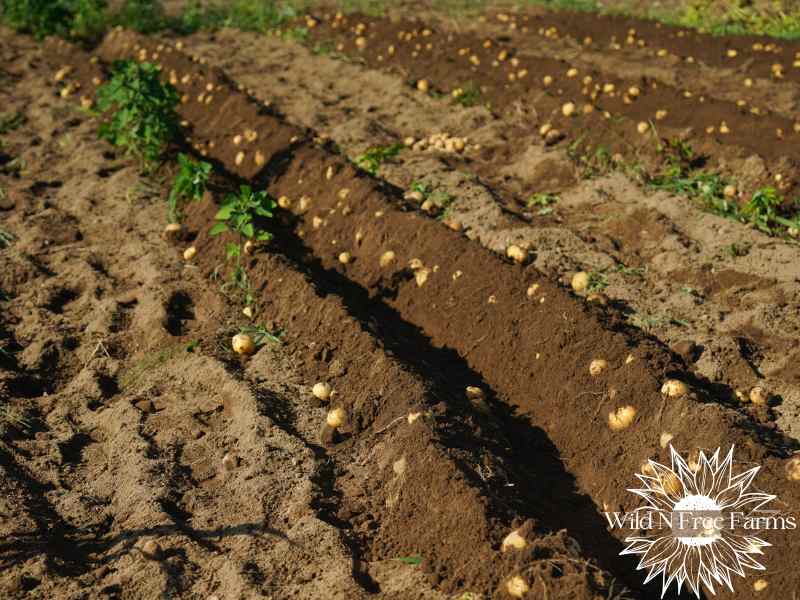
3. The Calorie-Focused Family Garden (4,000–8,000+ sq ft)
This level is where true food security begins.
Here, the goal shifts from “variety” to calories and storage:
- Potatoes
- Corn
- Dry beans
- Sweet potatoes
- Winter squash
- Root vegetables
- Long-storing brassicas
At this scale, a family can grow:
- A significant percentage of yearly calories
- Emergency buffer food
- Livestock feed supplements
👉 This garden feeds your family even when systems strain.

A Realistic Breakdown: Garden Space Per Person
For families wanting tangible numbers, here’s a practical rule of thumb:
- 250–400 sq ft per person → supplemental eating
- 500–700 sq ft per person → seasonal self-reliance
- 800–1,200 sq ft per person → calorie-focused resilience
So for a family of four:
- Minimum meaningful garden: ~1,500 sq ft
- Strong food security: ~3,000–5,000 sq ft
This includes paths and working space—not just planted rows.
Why Calories Matter More Than Variety
One tomato plant doesn’t feed a family.
One potato patch might.
Modern gardens often emphasize:
- Rare varieties
- Visual abundance
- Endless novelty
But calorie crops quietly do the heavy lifting.
If your goal is resilience, prioritize:
- Potatoes
- Beans
- Winter squash
- Corn
- Root vegetables
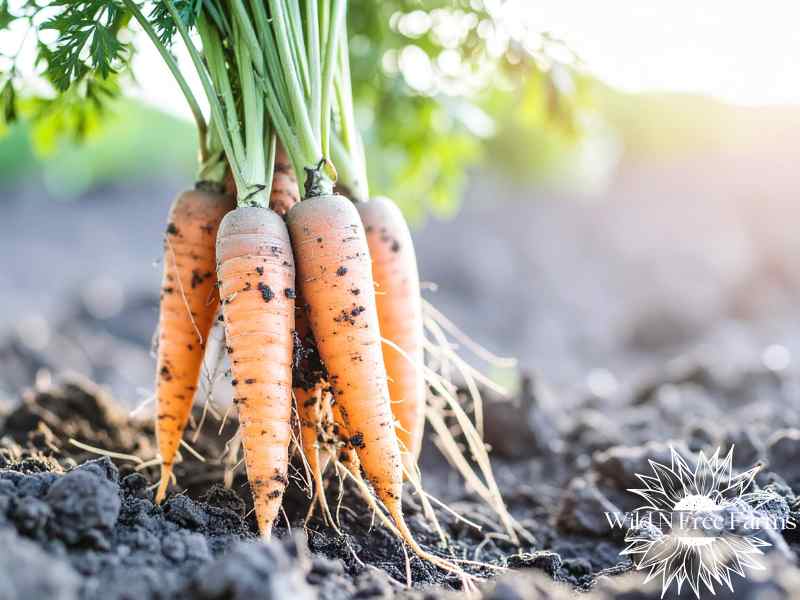
These crops:
- Store well
- Feed bodies
- Stretch meals
- Reduce dependency
This doesn’t mean giving up beauty or joy—just anchoring your garden in purpose.
Time, Not Space, Is the Real Limiting Factor
A large garden poorly managed feeds less than a small garden well cared for.
Before expanding, ask:
- How much time do I realistically have weekly?
- Can I maintain soil health?
- Do I have preservation skills to match production?
Food security grows layer by layer, not all at once.
A Faith-Centered Perspective on Garden Planning
Scripture reminds us that growth comes through stewardship, not striving.
You don’t need to:
- Outgrow your season
- Compete with anyone else
- Build overnight
A faithful garden:
- Starts where you are
- Uses what you have
- Grows as your capacity grows
The goal isn’t control—it’s provision, wisdom, and peace.
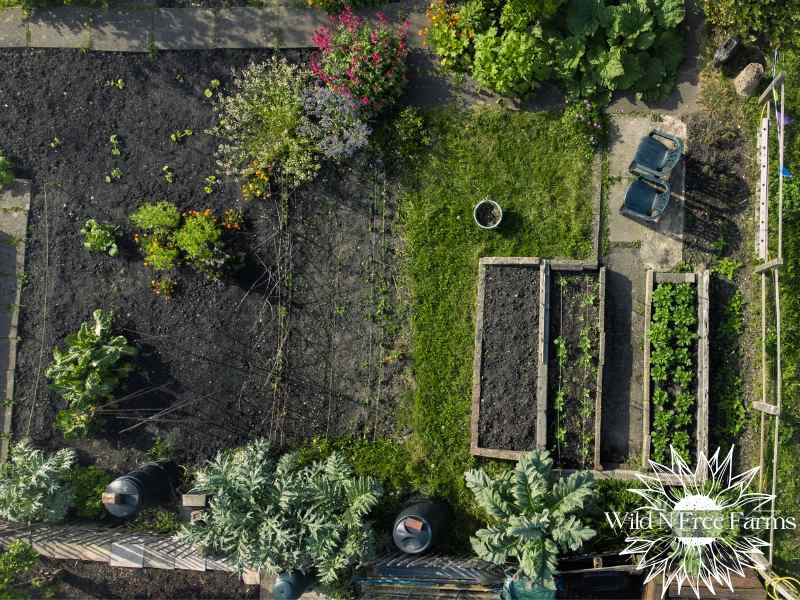
Start Small, Grow With Intention
If you’re unsure where to begin:
- Start with 500–1,000 sq ft
- Track what you actually eat
- Expand based on results—not pressure
Food security isn’t about fear.
It’s about faithful consistency.