
Extending the Harvest Without Fancy Equipment
Extending the harvest doesn’t require a greenhouse, electricity, or expensive tools—and for most families, it shouldn’t.
When we talk about food security on a homestead, I’m not talking about fear-based prepping or stockpiling gadgets. I’m talking about learning how to work with the seasons instead of fighting them, so the garden continues feeding your family just a little longer each year.

Disclaimer
This post contains affiliate links. This means we may earn a commission should you chose to sign up for a program or make a purchase using these links. There is no added cost to you but your purchase through these links helps support our content! Not to worry- I truly believe in and/or use everything I promote!
We also utilize advertisements on many of our articles. This is simply a way to help support all the work we do here at Wild N Free Farms, without adding any extra cost to our readers. Check out our disclaimer and disclosure page for more details.
Most gardens don’t fail in fall because of cold. They fail because we assume the season is over before it truly is.
The truth is, many crops are tougher than we give them credit for. With a few thoughtful habits and simple protections, you can stretch your harvest weeks—or even months—without fancy equipment.
Start With the Right Mindset: Observe Before You Act
Before adding anything to your garden, pay attention.
- Where does frost hit first?
- Which beds stay warmer?
- Which plants shrug off cold nights?
Some areas of your garden naturally hold heat better—near buildings, fences, or south-facing walls. These become your late-season zones without spending a dime.
This kind of observation is a form of stewardship. God already designed microclimates—we just need to notice them.

Mulch Is One of the Most Powerful Tools You Already Have
Mulch doesn’t just suppress weeds—it insulates soil.
Heavy mulch:
- Keeps soil temperatures more stable
- Protects roots from freeze-thaw cycles
- Allows crops like carrots, beets, and parsnips to stay in the ground longer
Leaves, straw, wood chips, or even grass clippings can buy you extra weeks of harvest.
For root crops, mulch thickly and harvest as needed. In many climates, this works well into early winter.

Grow Crops That Want to Keep Going
Some plants prefer cooler weather.
Cold-tolerant crops include:
- Kale, collards, and Swiss chard
- Carrots, beets, turnips, and radishes
- Green onions and leeks
- Cabbage and broccoli
- Spinach and lettuce
These crops often taste better after a light frost. Extending the harvest isn’t about saving summer crops—it’s about choosing fall-friendly ones on purpose.

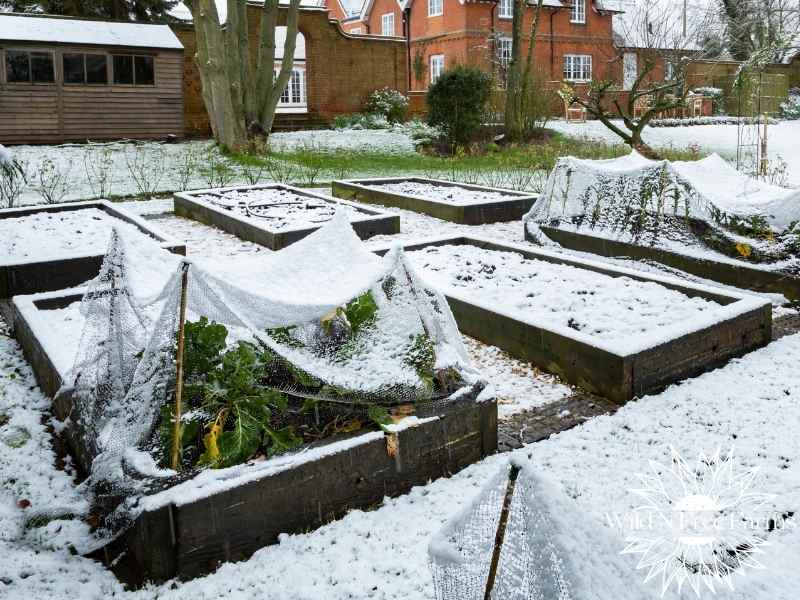
Use Simple Covers (Without Buying Specialty Gear)
You don’t need a greenhouse to trap heat.
Household-friendly options:
- Old sheets or blankets (remove during the day)
- Lightweight tarps propped over hoops
- Frost cloth if you already own it
- Cardboard boxes or buckets for individual plants
Even a few degrees of protection can mean the difference between a dead plant and another week of food.
The key is removing covers during the day to prevent rot and overheating.

Let Some Crops Stay in the Ground
Not everything needs to be harvested all at once.
Many vegetables store better in the soil than on your counter:
- Carrots
- Beets
- Turnips
- Parsnips
- Leeks
As long as the ground isn’t deeply frozen, these can be harvested gradually. This is one of the quietest forms of food storage—no jars, no freezer, no power required.
Succession Planting Makes Harvest Extension Feel Effortless
One of the simplest ways to extend harvest is planting later than feels comfortable.
Sow:
- Greens every 2–3 weeks
- Radishes and turnips into early fall
- Spinach in late summer for fall harvest
Even if frost ends the plant early, you often still get baby greens—nutrient-dense and tender.

Know When to Let Go (and Why That Matters)
Extending the harvest doesn’t mean forcing the garden past its limits.
There’s wisdom in:
- Letting annuals die back
- Leaving roots to feed the soil
- Allowing rest between seasons
Self-reliance isn’t about constant production. It’s about long-term faithfulness—to your land, your family, and your energy.
You don’t need to overhaul your garden or invest in technology to extend your harvest.
You need:
- Observation
- Intention
- A willingness to learn from each season
Every extra week of fresh food builds confidence. Every lesson learned becomes part of your family’s resilience story.
And that kind of self-reliance grows slowly—but it lasts.


