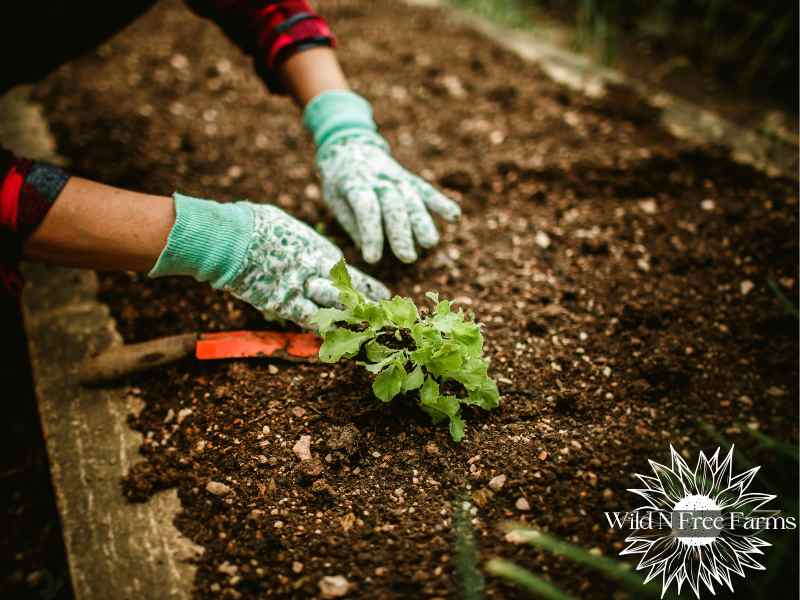
Year-Round Gardening For Families That Can’t Afford Crop Failure
For many families, gardening is a hobby. For others, it’s aesthetic, seasonal, or relaxing. But for families living on tight budgets, single incomes, or stretched grocery dollars, the garden has to work. When food prices rise, hours are unpredictable, or unexpected expenses hit, crop failure isn’t disappointing — it’s destabilizing.
Year-round gardening for families who can’t afford crop failure is not about perfection, abundance aesthetics, or chasing trends. It’s about risk reduction, redundancy, and steady provision. It’s about building systems that feed your family consistently, even when weather, pests, illness, or life interrupts your plans.

Disclaimer
This post contains affiliate links. This means we may earn a commission should you chose to sign up for a program or make a purchase using these links. There is no added cost to you but your purchase through these links helps support our content! Not to worry- I truly believe in and/or use everything I promote!
We also utilize advertisements on many of our articles. This is simply a way to help support all the work we do here at Wild N Free Farms, without adding any extra cost to our readers. Check out our disclaimer and disclosure page for more details.
This article is written from the perspective of long-term resilience. Not fear. Not panic. Not prepping for collapse — but stewarding what we’ve been given wisely so our families are nourished and protected.
If you’re building quiet food security, this is where it starts.
What Crop Failure Really Means for Families
Crop failure isn’t always dramatic. Sometimes it looks like:
- A heatwave that wipes out your greens
- A late frost killing seedlings you can’t afford to replace
- Pests destroying the one protein-rich crop you counted on
- Illness keeping you from planting on time
For families, especially those relying on gardens to offset grocery bills, failure compounds quickly. That’s why resilient gardens are built around systems, not single crops.
A food-secure garden assumes:
- You will miss a planting window
- Weather will be unpredictable
- Some crops will fail
The goal isn’t to prevent failure entirely — it’s to design so failure doesn’t equal hunger.

The Core Principles of a No-Failure Garden
1. Redundancy Over Novelty
Never rely on one crop, one bed, or one planting date. If your family depends on carrots, grow them:
- In spring
- In late summer
- In fall for overwintering
Redundancy is not wasteful — it’s protective.
2. Succession Is Non-Negotiable
Planting once is gambling. Succession planting spreads risk across time. Every 2–3 weeks, something new should be going into the ground.
3. Storage Crops Matter More Than Fresh
Fresh tomatoes are wonderful. But potatoes, winter squash, onions, carrots, and cabbage keep families fed long after the garden rests.
4. Always Something Growing
Year-round gardening doesn’t mean tomatoes in January everywhere — it means continuous production appropriate to your climate.
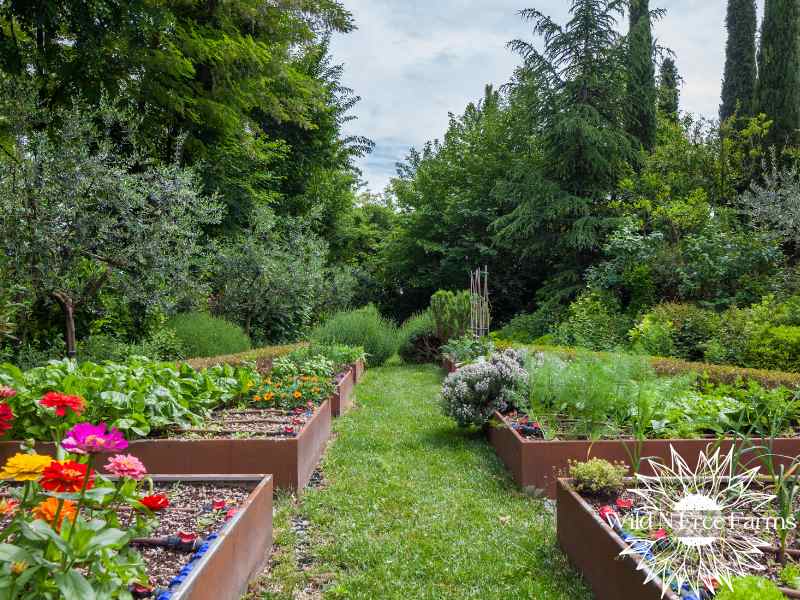
Designing a Year-Round Garden System
Instead of “spring garden” and “summer garden,” think:
- Fresh eating beds (fast crops)
- Bulk calorie beds (storage crops)
- Cold-season beds (fall, winter, early spring)
- Perennial zones (long-term reliability)
This ensures that when one area struggles, another carries the load.

The Crops That Carry Families Through the Year
High-Calorie, High-Reliability Crops
These reduce grocery dependence fastest:
- Potatoes
- Sweet potatoes
- Winter squash
- Dry beans
- Dent or flour corn (if space allows)
Cold-Hardy Staples
These thrive when others fail:
- Kale
- Collards
- Leeks
- Carrots
- Turnips
- Cabbage
Fast-Growing Insurance Crops
When plans fall apart, these save meals:
- Radishes
- Lettuce
- Spinach
- Mustard greens
- Green onions

Season Extension Without Fancy Equipment
You don’t need a greenhouse to garden year-round.
Practical tools that work:
- Row cover
- Mulch
- Cold frames made from scrap windows
- Low tunnels
These protect crops from frost, pests, and wind — the three most common causes of failure.

Gardening Through Real Life
Resilient gardens assume:
- You will get sick
- Children will need you
- Work will be exhausting
Design gardens that:
- Require fewer daily inputs
- Favor hardy crops over delicate ones
- Allow missed watering without catastrophe
A slightly messy garden that feeds your family is more successful than a perfect one that fails.
Scripture reminds us that provision often comes through faithful tending, not frantic striving. Gardening teaches patience, humility, and trust.
This kind of gardening is an act of stewardship — caring for the land so it can care for your family.
Not in fear.
But in faith.
Introducing my new ebook
Seed Starting For Success
Discover the secrets of a stress free seed starting adventure
By embracing the art of starting a garden from seed, you can reclaim control over your food sources and contribute to a more sustainable, diverse, and accessible gardening culture.
This package has been meticulously crafted to be your all-in-one guide to seed starting. Instead of spending countless hours scouring the internet for scattered information, experimenting with trial and error, and enduring the disappointment of failed attempts, you’ll have a comprehensive resource at your fingertips.