How To Design A Calorie-Focused Garden For True Food Security
Most gardens are designed for beauty, variety, or novelty.
A food-secure garden is designed for calories, storage, and staying power.
When I first started gardening, I grew what sounded fun—colorful greens, a few tomatoes, some herbs here and there. It wasn’t until grocery prices climbed and supply chains started feeling fragile that I realized something important:
You can’t eat aesthetics.
A calorie-focused garden isn’t about panic or prepping. It’s about stewardship. It’s about using the space God has given you wisely so your family is fed, nourished, and less dependent on systems you don’t control.
This is how you design a garden that actually sustains your household.

Disclaimer
This post contains affiliate links. This means we may earn a commission should you chose to sign up for a program or make a purchase using these links. There is no added cost to you but your purchase through these links helps support our content! Not to worry- I truly believe in and/or use everything I promote!
We also utilize advertisements on many of our articles. This is simply a way to help support all the work we do here at Wild N Free Farms, without adding any extra cost to our readers. Check out our disclaimer and disclosure page for more details.
WHAT A CALORIE-FOCUSED GARDEN REALLY MEANS
A calorie-focused garden prioritizes crops that:
- Produce high calories per square foot
- Store well without refrigeration
- Can be preserved simply
- Feed your family beyond the growing season
This doesn’t mean abandoning fresh vegetables or herbs. It means re-ordering priorities.
Think:
“If this had to carry us through winter, would it matter?”
WHY MOST GARDENS DON’T PROVIDE REAL FOOD SECURITY
Many home gardens fail at food security because they focus on:
- Leafy greens with low caloric value
- Crops that require daily harvest
- Foods that spoil quickly
- Variety over volume
Lettuce is wonderful—but lettuce alone won’t sustain a family.
Calories come from carbohydrates, fats, and proteins.
Your garden should reflect that truth.
THE FOUNDATION: CALORIES PER SQUARE FOOT
When space is limited, calories matter more than novelty.
High-Calorie Crops To Prioritize
1. Potatoes
- One of the highest calorie yields per square foot
- Store for months in cool, dark spaces
- Versatile and family-friendly
2. Winter Squash & Pumpkins
- Dense calories + long storage
- One plant can produce 10–30+ lbs
- Excellent for soups, breads, and meals
3. Dry Beans
- Protein + calories
- Easy to store long-term
- Can be grown vertically to save space
4. Corn (Dent or Flour Corn)
- Calories, carbohydrates, and meal-stretching power
- Can be dried and ground for flour
- High energy, nutrient-dense
- Store well when cured properly

BALANCING CALORIES WITH NUTRITION
Food security isn’t just about being full—it’s about being nourished.
Support Crops That Matter
- Cabbage (fermentation + storage)
- Carrots & Beets (root cellaring)
- Onions & Garlic (flavor + medicinal use)
- Greens (kale, chard) for micronutrients
These crops support your calorie staples rather than replace them.
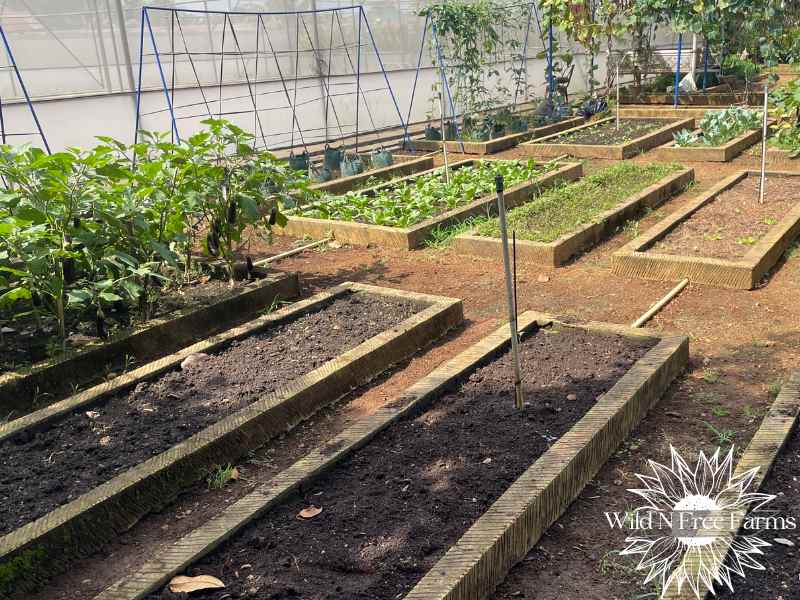
DESIGNING YOUR GARDEN LAYOUT WITH INTENTION
Zone Your Garden
Zone 1 – Calorie Staples
Front and center. These get priority soil, water, and space.
Zone 2 – Nutrient & Support Crops
Roots, brassicas, and storage vegetables.
Zone 3 – Fresh Eating & Herbs
Smaller areas for daily harvest foods.
This prevents low-impact crops from quietly taking over valuable space.

STORAGE IS PART OF THE GARDEN PLAN
If you can’t store it, it doesn’t count as food security.
Plan for:
- Root cellar storage
- Drying racks
- Canning shelves
- Fermentation crocks
- Freezer space (if available)
A calorie-focused garden extends from soil to shelf.
HOW MUCH DO YOU ACTUALLY NEED?
A realistic goal for families:
- Potatoes: 100–200 lbs per person annually
- Winter squash: 30–50 lbs per person
- Dry beans: 15–25 lbs per person
- Corn: Supplemental, not primary
You don’t need to hit perfection—just progress.

FAITH, STEWARDSHIP, AND THE HEART BEHIND IT
This isn’t about fear.
It’s about wisdom.
Scripture speaks often about preparation, stewardship, and providing for our households without anxiety. A calorie-focused garden is one small way we walk that out faithfully—doing what we can, where we are, with what we have.
Stay Up To Date
Enter your name and email to subscribe to our weekly newsletter, announements and freebies!
A beautiful garden is a blessing.
A calorie-focused garden is a lifeline.
When uncertain times come—and they always do—families who grow with intention will feel the difference quietly, steadily, and without panic.