Top 10 Crops That Feed a Family, Not Just a Plate
When I first started gardening, I grew what looked pretty and what felt fun. Cherry tomatoes. Fancy lettuces. A handful of herbs. And while I loved them, I realized something pretty quickly: they didn’t actually feed my family.
If you’re gardening with practical self-reliance in mind—especially as a mom responsible for meals, budgets, and long winters—you need crops that do more than garnish a plate. You need crops that store well, provide calories, stretch meals, and keep bellies full.
This list isn’t trendy. It’s intentional. These are the crops that quietly build food security without fear or panic—just steady stewardship and wisdom.
This is how you design a garden that actually sustains your household.

Disclaimer
This post contains affiliate links. This means we may earn a commission should you chose to sign up for a program or make a purchase using these links. There is no added cost to you but your purchase through these links helps support our content! Not to worry- I truly believe in and/or use everything I promote!
We also utilize advertisements on many of our articles. This is simply a way to help support all the work we do here at Wild N Free Farms, without adding any extra cost to our readers. Check out our disclaimer and disclosure page for more details.
1. Potatoes
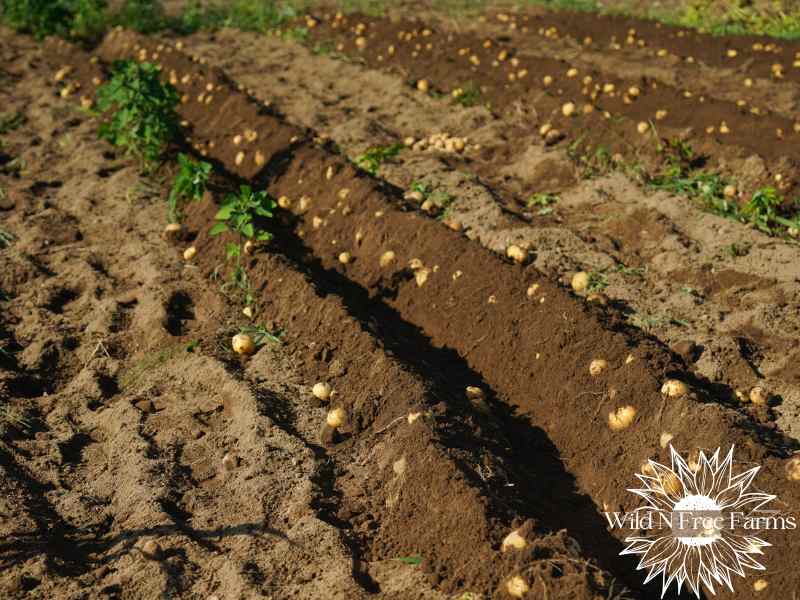
Potatoes are hands-down one of the most reliable calorie crops you can grow. They’re productive in small spaces, store for months, and show up in breakfast, lunch, and dinner.
One 100-foot row can feed a family for weeks. Mashed, roasted, fried, or added to soups—potatoes stretch meals when nothing else does.
Why they matter: calories, storage, versatility
2. Winter Squash
Winter squash like butternut, acorn, and pumpkin are garden powerhouses. One plant can yield multiple heavy fruits that store for 6–12 months with no electricity.
They replace grains in many meals and work for soups, casseroles, breads, and breakfasts.
Why they matter: shelf-stable calories, low maintenance
3. Dry Beans
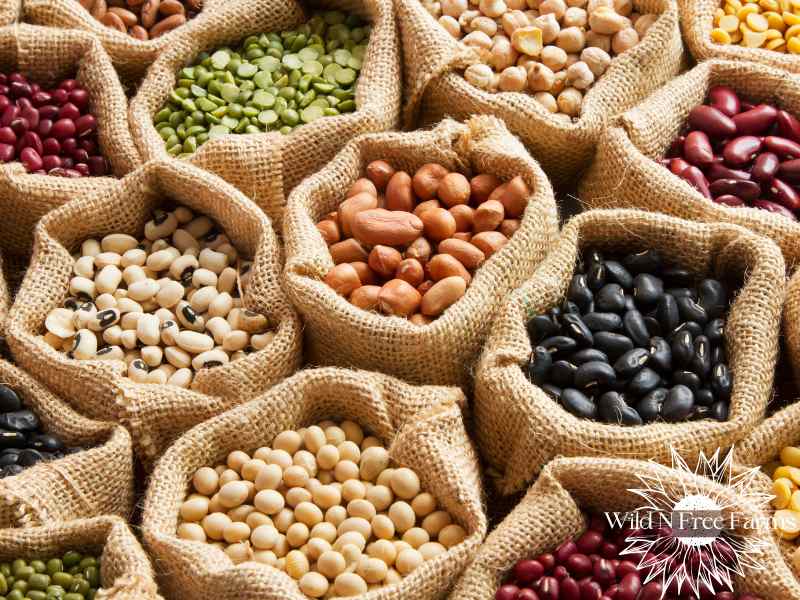
Dry beans don’t get enough love in modern gardens, but they should. They store indefinitely, fix nitrogen in the soil, and provide plant-based protein.
Grow pinto, black, navy, or kidney beans depending on your climate and cooking style.
Why they matter: protein, storage, soil health
4. Dent or Flour Corn
Sweet corn is a treat. Dent corn feeds families.
Cornmeal, grits, tortillas, and animal feed all come from one crop.
If you’re serious about self-reliance, learning to grow and process corn is a skill worth passing down.
Why it matters: calories, versatility, long-term resilience
5. Cabbage
Cabbage is one of the most underrated survival foods hiding in plain sight. It grows in cool weather, stores well, and turns into sauerkraut—one of the easiest fermented foods there is.
One head can stretch across multiple meals.
Why it matters: nutrition, storage, fermentation
6. Carrots
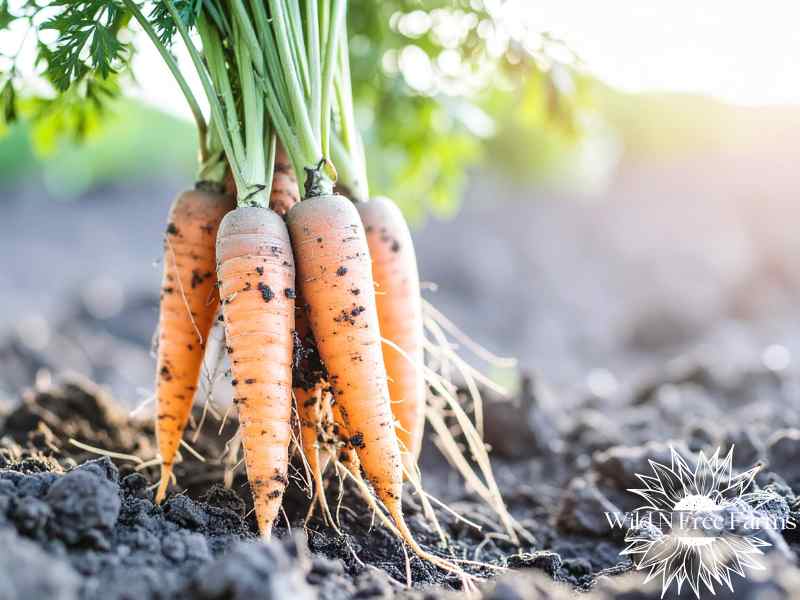
Carrots aren’t just a side dish—they’re a storage crop when grown right. They can overwinter in the ground or keep for months in cold storage.
They add sweetness, nutrition, and bulk to soups and roasts.
Why they matter: storage, versatility, kid-friendly
7. Onions
Almost every savory meal starts with onions. They’re foundational.
Grow storage varieties and cure them properly, and you’ll have months of flavor without relying on the store.
Why they matter: flavor base, long storage, high yield per space
8. Garlic
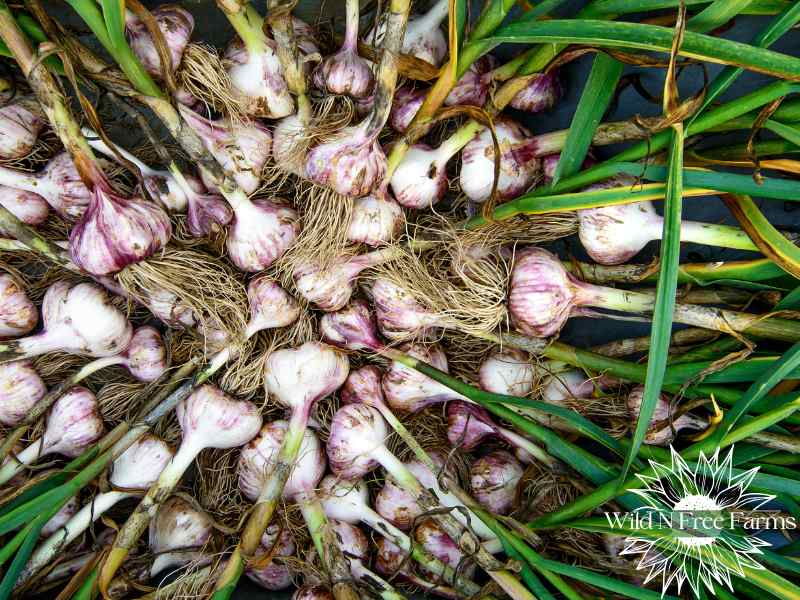
Garlic does triple duty: food, medicine, and garden insurance.
It’s planted once, harvested once, and used all year. Plus, it’s a crop you can replant forever.
Why it matters: medicinal value, storage, replanting
9. Sweet Potatoes
In warmer climates, sweet potatoes are a calorie crop that thrives where others struggle. Both the roots and greens are edible, and they store well when cured.
They’re filling, nutritious, and naturally sweet—great for picky eaters.
Why they matter: calories, dual-purpose harvest
10. Kale (or Collards)
Every family needs at least one dependable green. Kale and collards produce for months, survive cold, and can be harvested repeatedly.
They aren’t flashy—but they’re faithful.
Why they matter: nutrition, long harvest window
How to Think Like a Family-Focused Gardener
When planning your garden, ask:
- Does this crop store well?
- Does it provide calories or protein?
- Can it be used in multiple meals?
- Will it still matter in January?
That mindset—not fear—builds real resilience.
Food security doesn’t come from panic or hoarding. It comes from wisdom, patience, and faithful tending—of soil, skills, and family.