
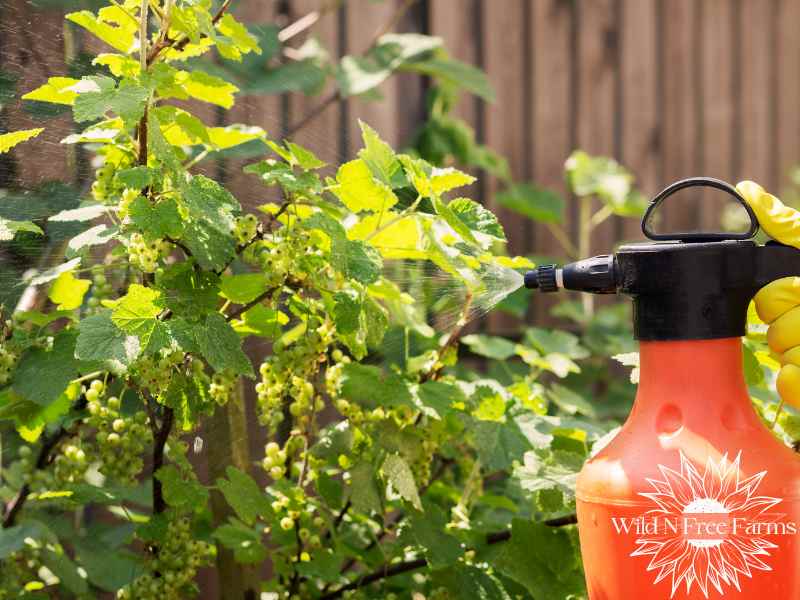
Beginner’s Guide to Beneficial Nematodes In The Garden
Are you a new gardener looking for natural ways to keep pests at bay without harsh chemicals? Enter nematodes – tiny heroes of the soil that can transform your garden into a thriving, pest-free oasis. In this beginner-friendly guide, we’ll break down what nematodes are, dive into the simple science behind them, and explore how they’re used in gardening. We’ll also cover the main types of beneficial nematodes and the specific pests they target. By the end, you’ll feel confident adding these microscopic allies to your gardening toolkit.

Disclaimer
This post contains affiliate links. This means we may earn a commission should you chose to sign up for a program or make a purchase using these links. There is no added cost to you but your purchase through these links helps support our content! Not to worry- I truly believe in and/or use everything I promote!
We also utilize advertisements on many of our articles. This is simply a way to help support all the work we do here at Wild N Free Farms, without adding any extra cost to our readers. Check out our disclaimer and disclosure page for more details.
What Are Nematodes?
Nematodes, often called roundworms, are some of the most abundant creatures on Earth. These aren’t the big, wiggly earthworms you see after rain – nematodes are microscopic, thread-like organisms that live in soil, water, and even inside plants or animals. Most are so small you need a microscope to spot them, measuring just 0.5 to 1 millimeter long.
Not all nematodes are helpful; some can harm plants by feeding on roots, causing diseases like root-knot nematodes that create galls (swollen lumps) on veggies like tomatoes or carrots. But in gardening, we focus on beneficial nematodes – the good guys that act as natural pest controllers. They’re eco-friendly, safe for humans, pets, and beneficial insects like bees, making them a top choice for organic gardeners.

The Science Behind Nematodes
Let’s geek out a bit on the science, but don’t worry – we’ll keep it straightforward, like explaining a recipe to a friend.
Nematodes belong to the phylum Nematoda, a group of invertebrates (animals without backbones). Their bodies are simple: a long, tube-like structure with a mouth at one end and an anus at the other. They don’t have eyes, legs, or fancy organs – just a basic nervous system and muscles to slither around.
Here’s the cool part: Beneficial nematodes are entomopathogenic, meaning they’re parasites that kill insects. They team up with bacteria in a symbiotic relationship (a win-win partnership). Imagine the nematode as a tiny submarine carrying deadly passengers (bacteria). When it finds a pest like a grub or caterpillar, it enters through the insect’s mouth, anus, or breathing holes.
Once inside:
- The nematode releases its bacterial buddies.
- These bacteria multiply quickly, producing toxins that poison the host insect.
- The insect dies within 24-48 hours, turning into a nutrient soup.
- The nematodes feast on this soup, reproduce (laying hundreds of eggs), and emerge to hunt more pests.
This life cycle happens in days, and it’s all natural – no chemicals needed. Nematodes thrive in moist, warm soil (around 60-80°F or 15-27°C), and they can survive for weeks in storage if kept cool and damp. The science shows they’re highly effective because they target pests specifically, leaving plants and good bugs unharmed.
How Nematodes Are Used in the Garden
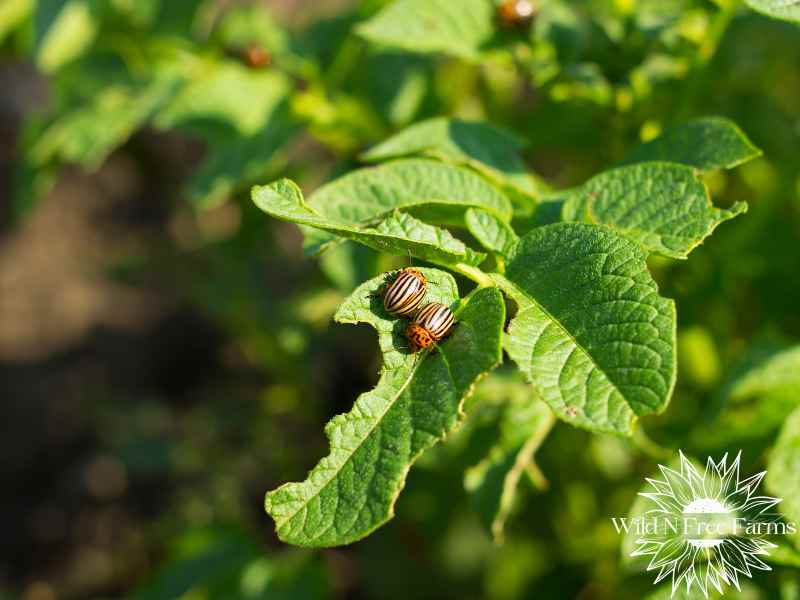
In gardening, nematodes are applied as a biological control to tackle soil-dwelling pests that chemicals often miss. You buy them as live organisms in a sponge or gel form from garden stores or online. Mix them with water and spray or water them into the soil – it’s that easy!
They’re great for organic pest management because:
- They reduce reliance on pesticides, promoting healthier ecosystems.
- They work underground where many pests hide, like larvae of beetles or flies.
- Results show up in a week or two, with long-term protection as nematodes multiply.
Pro tip for beginners: Apply in the evening or on cloudy days to avoid UV light, which can kill them. Keep soil moist for a week after application to help them move and hunt.

Different Types of Beneficial Nematodes and What They Help With
There are thousands of nematode species, but gardeners mainly use two broad genera (groups) of beneficial ones: Steinernema and Heterorhabditis. Each has subspecies tailored to specific pests and conditions. Here’s a breakdown of the main types and their superpowers:
1. Steinernema Species (e.g., Steinernema feltiae, Steinernema carpocapsae)
- Hunting Style: These are “ambushers” – they wait near the soil surface for prey to come by.
- What They Help With:
- Steinernema feltiae: Targets fungus gnats, thrips, and fly larvae. Great for cooler soils (50-70°F or 10-21°C) and indoor plants or greenhouses.
- Steinernema carpocapsae: Battles caterpillars, cutworms, armyworms, and sod webworms. Ideal for surface pests on lawns or veggies.
- Best For: Warmer, drier conditions. They’re versatile and often used in lawns to control grubs.
2. Heterorhabditis Species (e.g., Heterorhabditis bacteriophora, Heterorhabditis indica)
- Hunting Style: These are “cruisers” – they actively swim through soil to find deeper pests.
- What They Help With:
- Heterorhabditis bacteriophora: Kills Japanese beetle grubs, root weevils, and borers. Excellent for deeper soil pests in orchards or flower beds.
- Heterorhabditis indica: Controls white grubs, vine weevils, and termites. Thrives in hot climates (above 70°F or 21°C).
- Best For: Moist, warmer soils. They’re pros at finding hidden larvae in turf or around tree roots.
Mixing species can cover more pests – for example, combining Steinernema and Heterorhabditis for broad-spectrum control. Always check labels for target pests, as effectiveness varies by region and soil type.
Tips for Success and Common Mistakes to Avoid
As a beginner, start small: Test nematodes on a problem area like a buggy lawn patch. Store them in the fridge (not freezer) and use within a month. Avoid mixing with fertilizers or pesticides, as these can harm them.
Common pitfalls? Applying in hot sun or dry soil – nematodes need moisture to survive. If pests persist, it might mean reapplying or combining with other natural methods like companion planting.

Nematodes prove that nature has clever solutions for common problems. By understanding their basic science – from their parasitic teamwork with bacteria to their quick life cycles – you can harness them to create a healthier garden. Whether you’re dealing with grubs ruining your lawn or caterpillars munching your crops, choosing the right type like Steinernema or Heterorhabditis can make all the difference.
Ready to try? Grab some from a reputable supplier and watch your garden flourish naturally. Happy gardening – and remember, sometimes the smallest creatures pack the biggest punch!


