How to Overwinter Strawberries: Protect Your Plants for a Bountiful Spring Harvest
Strawberries are a beloved garden crop, offering sweet, juicy berries year after year. However, to ensure your strawberry plants survive harsh winters and thrive in the next growing season, proper overwintering is essential. Without adequate protection, cold temperatures, frost, and freeze-thaw cycles can damage or kill your plants. This guide will walk you through expert tips and techniques to overwinter strawberries successfully, keeping your plants healthy and ready for spring.

Disclaimer
This post contains affiliate links. This means we may earn a commission should you chose to sign up for a program or make a purchase using these links. There is no added cost to you but your purchase through these links helps support our content! Not to worry- I truly believe in and/or use everything I promote!
We also utilize advertisements on many of our articles. This is simply a way to help support all the work we do here at Wild N Free Farms, without adding any extra cost to our readers. Check out our disclaimer and disclosure page for more details.

Why Overwintering Strawberries Matters
Strawberries are perennial plants, meaning they can live for multiple years if properly cared for. However, their shallow root systems make them vulnerable to freezing temperatures, especially in regions with cold winters (USDA Hardiness Zones 3-6). Overwintering protects the roots, crowns, and foliage from damage, ensuring your plants emerge strong and productive in the spring. By following these steps, you can avoid common pitfalls and enjoy a bountiful harvest next season.
Step-by-Step Guide to Overwintering Strawberries
1. Prepare Your Strawberry Plants in Late Summer or Early Fall
Proper overwintering starts before the first frost. Preparing your plants in late summer or early fall strengthens them for the cold months ahead.
- Clean Up the Bed: Remove dead leaves, weeds, and debris from your strawberry patch. This reduces the risk of pests and diseases, such as fungal infections, overwintering in the bed.
- Thin Out Runners: Strawberry plants produce runners (long stems with baby plants). Trim excessive runners to prevent overcrowding, which can weaken the mother plant. Keep a few healthy runners to propagate new plants if desired.
- Fertilize Lightly: Apply a balanced, slow-release fertilizer (e.g., 10-10-10) to give plants a nutrient boost before dormancy. Avoid over-fertilizing, as this can encourage tender new growth that’s susceptible to frost damage.
2. Mulch for Insulation
Mulching is the most critical step in protecting strawberries from freezing temperatures. A thick layer of mulch insulates the plants, shielding roots and crowns from cold and fluctuating temperatures.
- When to Mulch: Apply mulch after the first light frost or when soil temperatures drop to around 40°F (4°C). Mulching too early can trap heat and cause rot, while mulching too late risks frost damage.
- Best Mulch Materials: Use organic materials like straw, pine needles, or shredded leaves. Straw is the gold standard because it’s lightweight, breathable, and easy to remove in spring. Avoid heavy materials like grass clippings, which can compact and smother plants.
- How to Apply: Spread a 4-6 inch (10-15 cm) layer of mulch over the entire strawberry bed, covering the plants completely. Ensure the mulch is loose to allow air circulation and prevent rot.
3. Protect Against Freeze-Thaw Cycles
In regions with fluctuating winter temperatures, freeze-thaw cycles can heave strawberry plants out of the soil, exposing roots to damage.
- Secure the Mulch: Use row covers, burlap, or lightweight fabric to hold mulch in place during windy conditions. This also adds an extra layer of insulation.
- Check Soil Moisture: Before mulching, ensure the soil is moist but not waterlogged. Dry roots are more prone to cold damage, so water lightly if the fall has been dry.
4. Consider Container Strawberries
If you grow strawberries in pots, they’re even more vulnerable to cold because their roots are less insulated than those in the ground.
- Move Containers: Relocate potted strawberries to a sheltered location, such as an unheated garage, shed, or against a south-facing wall. This protects them from extreme cold and wind.
- Insulate Pots: Wrap pots with bubble wrap, burlap, or insulating blankets to protect roots from freezing. Alternatively, bury pots in the ground and cover with mulch.
- Water Sparingly: Check soil moisture monthly and water lightly if it’s completely dry. Overwatering can lead to root rot in cold conditions.
5. Monitor and Maintain During Winter
While strawberries are dormant, occasional checks can prevent issues.
- Inspect Mulch: After heavy snow or wind, ensure mulch hasn’t shifted or compacted. Reapply if necessary to maintain coverage.
- Watch for Pests: Mice and voles may burrow under mulch to feed on strawberry crowns. Check for signs of nibbling and use traps or repellents if needed.
6. Prepare for Spring
As winter ends, your strawberries will need a gentle transition to the growing season.
- Remove Mulch Gradually: When daytime temperatures consistently reach 40-50°F (4-10°C), start removing mulch in stages. Rake it off gradually to expose plants to sunlight while protecting against late frosts.
- Inspect Plants: Check for signs of disease or damage. Healthy crowns should be firm and reddish-brown. Remove any dead or damaged foliage.
- Water and Fertilize: Once plants show new growth, water thoroughly and apply a balanced fertilizer to support spring development.
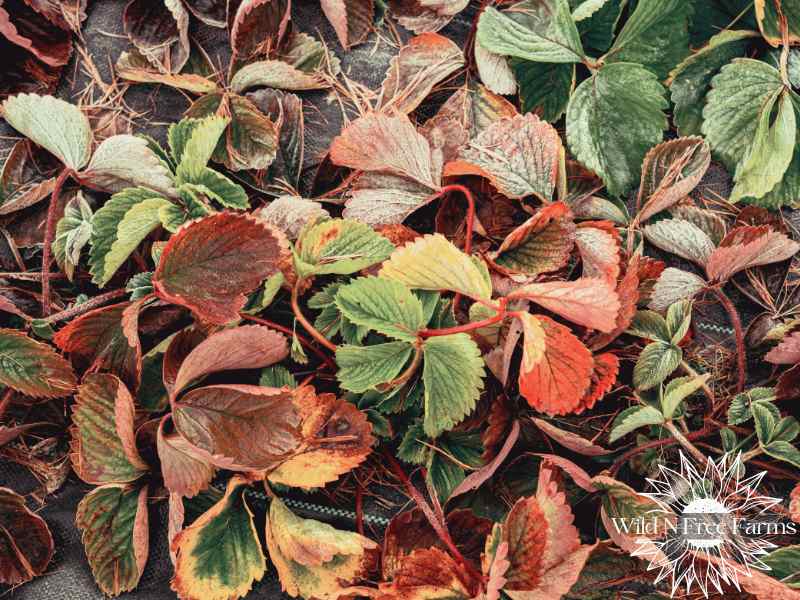
Additional Tips for Overwintering Success
- Choose Cold-Hardy Varieties: If you’re in a cold climate, plant varieties like ‘Honeoye,’ ‘Jewel,’ or ‘Earliglow,’ which are bred for winter hardiness.
- Use Row Covers: In milder climates (Zones 7-8), lightweight row covers may suffice instead of heavy mulch. They protect against frost while allowing air and light to reach plants.
- Avoid Plastic Mulch: Plastic sheeting can trap moisture and cause rot. Stick to breathable organic materials.
- Test Soil pH: Strawberries prefer slightly acidic soil (pH 5.5-6.5). Test your soil in fall and amend with sulfur or lime if needed to optimize plant health.

Common Mistakes to Avoid
- Mulching Too Early: Applying mulch before plants enter dormancy can trap heat and encourage mold or rot.
- Using the Wrong Mulch: Heavy or non-breathable materials can smother plants or promote fungal growth.
- Neglecting Spring Care: Leaving mulch on too long in spring can delay growth or cause plants to rot.
Overwintering strawberries is a straightforward process that pays off with healthy plants and abundant harvests. By preparing your plants in fall, mulching properly, and monitoring them through winter, you can protect your strawberries from cold and ensure they thrive in the spring. Follow these steps, tailor them to your climate, and enjoy fresh, homegrown strawberries year after year.