11 Best Drought-Tolerant Fruit Trees for Your Homestead
In an era of unpredictable weather patterns and increasing water scarcity, homesteaders are turning to resilient plants that can thrive with minimal irrigation. Drought-tolerant fruit trees are a smart choice for sustainable gardening, offering bountiful harvests while conserving precious resources. These trees, once established (typically after 2-3 years of regular watering to build deep roots), can survive on natural rainfall and occasional deep soaks during prolonged dry spells. They not only provide fresh, homegrown fruit but also enhance your landscape with shade, beauty, and wildlife habitat.

Disclaimer
This post contains affiliate links. This means we may earn a commission should you chose to sign up for a program or make a purchase using these links. There is no added cost to you but your purchase through these links helps support our content! Not to worry- I truly believe in and/or use everything I promote!
We also utilize advertisements on many of our articles. This is simply a way to help support all the work we do here at Wild N Free Farms, without adding any extra cost to our readers. Check out our disclaimer and disclosure page for more details.
Whether you’re in a arid region or simply want low-maintenance options, this guide covers 15 top drought-tolerant fruit trees. For each, I’ll include the best USDA hardiness zones, recommended varieties, and essential tips for success on your homestead. Remember to mulch around the base to retain soil moisture, plant in well-draining soil, and choose varieties suited to your local climate for the best results.

1. Fig Tree (Ficus carica)
Fig trees are Mediterranean natives, prized for their sweet, juicy fruits and ability to withstand hot, dry conditions thanks to deep root systems. They’re versatile for eating fresh, drying, or making preserves.
- Best Zones: 8-11 (hardier varieties extend to 7 or even 6 with protection).
- Varieties: Chicago Hardy (cold-tolerant), Fignomenal® Fig Tree (dwarf for small spaces).
- Tips: Plant in full sun with well-draining soil. Water deeply weekly during the first year, then reduce to biweekly in summer. Prune to maintain size under 10 feet and prevent invasiveness. Figs tolerate short droughts but fruit better with occasional watering in late summer.

2. Pomegranate Tree (Punica granatum)
Pomegranates are shrub-like trees that produce antioxidant-rich fruits, thriving in arid climates where they’ve been cultivated for centuries. They’re low-maintenance and can live for over 200 years.
- Best Zones: 7-11.
- Varieties: Wonderful (large fruits), Dwarf Red (great for small spaces).
- Tips: Position in full sun or partial shade with slightly acidic to neutral soil. Deep water weekly initially, then once a month when established. Prune to tree form for easier harvesting; they’re self-fertile but plant multiples for better yields. Ideal for coastal or saline soils.
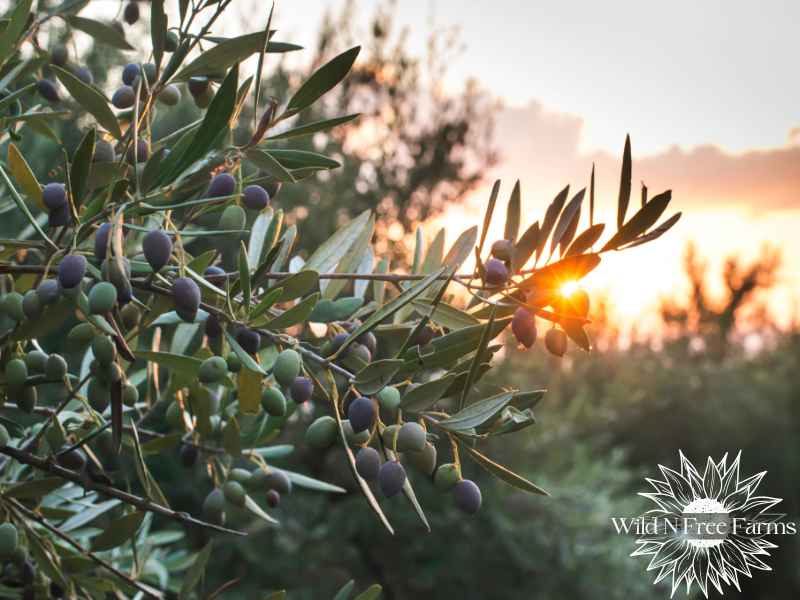
3. Olive Tree (Olea europaea)
Olives are iconic drought survivors from the Mediterranean, yielding fruits for oil, eating, or pickling. They add ornamental value with silvery foliage.
- Best Zones: 8-11 (some varieties to 6-7).
- Varieties: Arbequina (both table eating and pressing into high-quality extra virgin olive oil), Maurino Olive Tree (dwarf, or full size depending on where it’s planted).
- Tips: Plant in full sun with well-draining soil to prevent root rot. Water weekly for the first 1-2 years, then monthly. Prune lightly to shape and remove dead wood; multiple cultivars boost pollination. They’re salt-tolerant and great for hedges.

4. Persimmon Tree (Diospyros kaki or D. virginiana)
Persimmons offer sweet, custard-like fruits in fall, with Asian varieties being larger and American ones more flavorful but smaller. They’re slow-growing and pest-resistant.
- Best Zones: 5-11.
- Varieties: Fuyu (non-astringent Asian), American Persimmon (native, hardy).
- Tips: Grow in neutral to slightly acidic soil with full sun. Prune young trees for structure; they’re self-pollinating. Tolerate short droughts but prefer regular watering for fruit set. Mulch to conserve moisture; deep roots help in dry spells.

5. Jujube Tree (Ziziphus jujube)
Also known as Chinese dates, jujubes produce apple-like fruits that are sweet-tart fresh or chewy when dried. They’re extremely hardy and long-lived.
- Best Zones: 6-11.
- Varieties: Li (large fruits), Sugar Cane (sweet, compact).
- Tips: Plant in full sun with sandy-loamy soil; Indian varieties handle more heat/drought than Chinese. Water regularly at first, then sparingly. Prune for shape; they’re thornless in some varieties and great for hedging. Fruits store indefinitely if dried.

6. Almond Tree (Prunus dulcis)
Almonds yield nuts high in protein and healthy fats, with trees that are drought-hardy once established, though they need water for optimal production.
- Best Zones: 7-11.
- Varieties: All-In-One (self-fertile, compact), Aldrich (amazing flavor and high yields).
- Tips: Plant in hot, dry areas with full sun. Water moderately before harvest; prune to under 15 feet. Requires chill hours (700-1000); pair with pollinators for better yields. Avoid wet soils to prevent disease.

7. Loquat Tree (Eriobotrya japonica)
Loquats bear apricot-like fruits in winter/spring, with evergreen foliage for year-round interest. They’re heat-loving and compact.
- Best Zones: 8-10.
- Varieties: Christmas (early fruiting), Gold Nugget (sweet).
- Tips: Grow in full sun; water weekly for fruit, but tolerant once established. Prune to 15-20 feet; mulch for moisture retention. Fruits are juicy—eat fresh or in jams. Protect from frost in cooler zones.

8. Mulberry Tree (Morus spp.)
Mulberries produce berry-like fruits for eating, pies, or wine, and they’re fast-growing with bird-attracting qualities.
- Best Zones: 5-10.
- Varieties: Pakistan (long fruits), Dwarf Everbearing (small plant with large berries).
- Tips: Plant away from pavement (fruits stain); full sun, well-draining soil. Minimal watering/pruning needed; roots can be invasive. Harvest regularly to avoid mess; opt for fruitless varieties if no harvest desired.

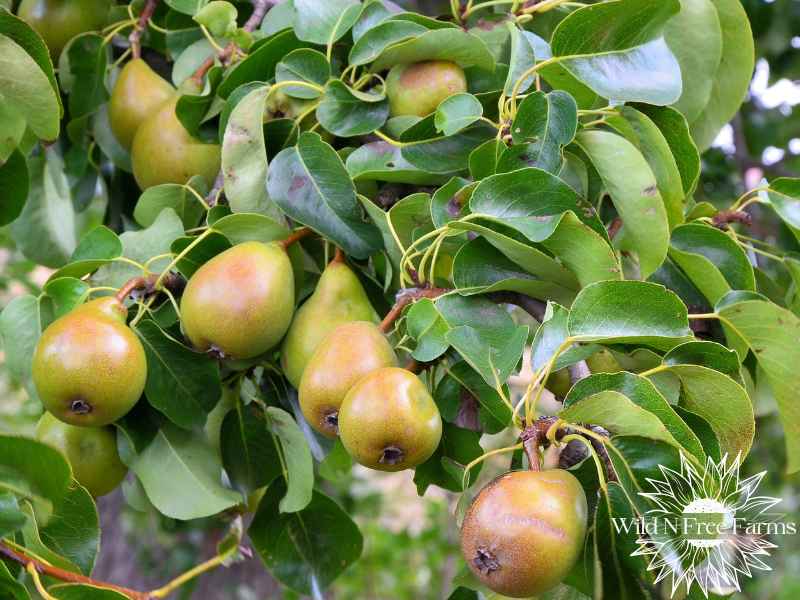
9. Asian Pear Tree (Pyrus pyrifolia)
Asian pears offer crisp, juicy fruits like apples, with trees that are more drought-tolerant than European pears.
- Best Zones: 5-9.
- Varieties: Chojuro (most popular butterscotch flavor), Hosui (sweet).
- Tips: Full sun; weekly watering for establishment, then moderate. Prune for airflow; needs under 500 chill hours. Thin fruits for larger size; resistant to fire blight.

10. Plum Tree (Prunus spp.)
Certain plums, like native varieties, handle drought well and provide versatile fruits for fresh eating or preserves.
- Best Zones: 5-9.
- Varieties: Methley (sweet, clingstone), Santa Rosa (self-fertile).
- Tips: Full sun; deep, infrequent watering. Prune to vase shape; some self-fertile, others need pollinators. Mulch to suppress weeds; tolerant of sandy or rocky soils.

11. Pineapple Guava (Acca sellowiana)
Also called feijoa, this evergreen yields guava-like fruits with pineapple notes, doubling as a hedge.
- Best Zones: 8-11.
- Varieties: Coolidge (self-fertile), Nazemetz (large fruits).
- Tips: Grow in full sun or partial shade; weekly water boosts yield but drought-tolerant. Prune for size (10-15 feet); edible flowers. Container-friendly for colder zones.
Stay Up To Date
Enter your name and email to subscribe to our weekly newsletter, announements and freebies!
Incorporating these drought-tolerant fruit trees into your homestead can lead to a resilient, productive orchard that withstands dry conditions while rewarding you with delicious, nutritious bounty. Start small, focus on soil preparation, and consult local extension services for region-specific advice. Happy planting—your future self (and the planet) will thank you!