
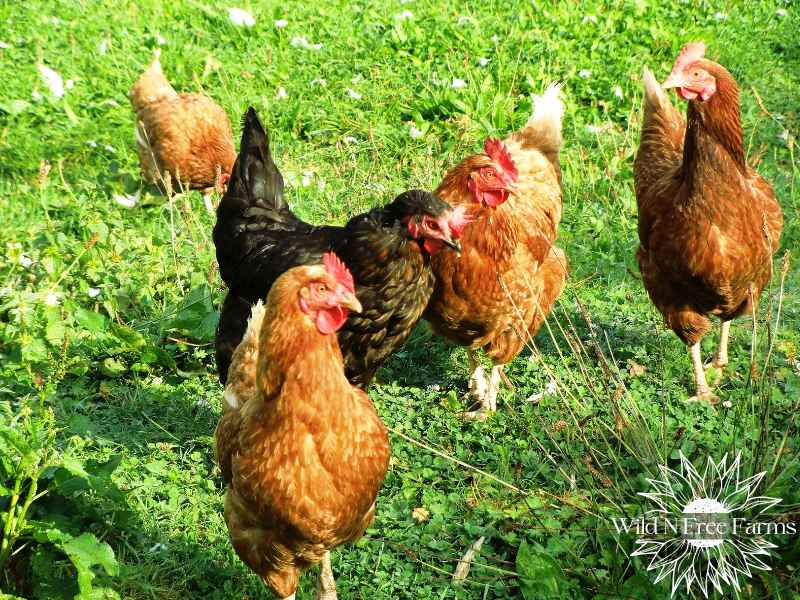
How to Keep Chickens Hydrated in Summer Heat: 15 Unique Tips to Beat the Heatwave
As summer temperatures soar, keeping your backyard chickens cool and hydrated becomes a top priority. Dehydration in chickens can lead to reduced egg production, heat stress, and even serious health issues. To help your flock thrive in scorching weather, we’ve compiled 15 unique, practical, and innovative tips to ensure your chickens stay hydrated and healthy all summer long. Whether you’re a seasoned poultry keeper or a beginner, these strategies will help your flock beat the heat and keep your coop trending as the coolest spot in town!

Disclaimer
This post contains affiliate links. This means we may earn a commission should you chose to sign up for a program or make a purchase using these links. There is no added cost to you but your purchase through these links helps support our content! Not to worry- I truly believe in and/or use everything I promote!
We also utilize advertisements on many of our articles. This is simply a way to help support all the work we do here at Wild N Free Farms, without adding any extra cost to our readers. Check out our disclaimer and disclosure page for more details.
Why Chicken Hydration Matters in Summer
Chickens are particularly vulnerable to heat stress because they lack sweat glands and rely on panting to regulate body temperature. Without adequate water, they can quickly become dehydrated, leading to lethargy, reduced egg-laying, and in severe cases, organ failure. By implementing these hydration-focused tips, you’ll not only keep your chickens comfortable but also maintain their productivity and well-being during the hottest months.
15 Unique Tips to Keep Chickens Hydrated
1. Freeze Water in Blocks for a Cool Coop Oasis
Create chicken-friendly ice blocks by freezing water in large containers (like gallon jugs or Tupperware). Place these in shallow pans in the coop or run for chickens to peck at or drink as they melt. The cold water encourages drinking, and the blocks keep the area cool for hours.
Pro Tip: Add a few slices of cucumber or berries to the water before freezing for a nutrient-packed treat chickens will love.
2. Install Misting Systems for Instant Relief
Set up a low-pressure misting system around the coop or run. These systems release a fine water spray that cools the air without soaking your chickens. Ensure the mist is light to avoid creating muddy patches.

3. Offer Electrolyte-Boosted Water
Mix electrolyte powders (available at feed stores or homemade with a pinch of salt, sugar, and baking soda) into their water to replenish essential minerals lost during panting. Rotate this with plain water to avoid over-salting.
Recipe: Combine 1 tsp salt, 1 tbsp sugar, and 1/8 tsp baking soda per gallon of water.
4. Create Shady Water Stations
Place multiple water stations in shaded areas of the run to encourage drinking. Use wide, shallow containers to make access easy, and refresh water twice daily to keep it cool and clean.
Unique Twist: Hang a small umbrella or tarp over waterers to maintain shade all day.
5. Freeze Fruit-Filled Water Bottles
Fill plastic water bottles with water and chunks of watermelon, strawberries, or apples, then freeze them. Place them in water dishes for a refreshing, flavored hydration boost. Chickens will peck at the bottles and drink the melting water.
6. Use Nipple Waterers for Clean, Cool Water
Switch to nipple waterers to prevent contamination from dirt or droppings. These systems deliver fresh water on demand and stay cooler than open containers exposed to the sun.
Installation Tip: Mount nipple waterers at chicken head height for easy access.

7. Add Ice Cubes to Waterers
Drop a handful of ice cubes into waterers throughout the day to keep water temperatures low. Chickens are more likely to drink cool water, especially during peak heat hours.
Fun Idea: Freeze small bits of corn or peas in the ice cubes for an engaging treat.
8. Create a Wading Pool for Fun and Hydration
Set up a shallow kiddie pool filled with a few inches of water in the run. Chickens may wade in to cool their feet, which helps regulate body temperature and encourages drinking nearby.
Safety Note: Ensure the pool is shallow to prevent drowning risks.
9. Offer Hydrating Treats
Feed water-rich treats like watermelon, cucumber, or zucchini slices. These foods are over 90% water and provide a tasty way to boost hydration while delivering vitamins.
Serving Tip: Chill treats in the fridge before offering them for extra cooling.
10. Use Solar-Powered Fans to Circulate Air
Install solar-powered fans in the coop to improve ventilation and reduce heat buildup. Cooler air helps chickens pant less, preserving their hydration levels.
11. Create a Mud Bath Station
Chickens love dust bathing, but in summer, a slightly damp mud bath can help them cool off. Lightly moisten a shaded patch of dirt to create a cooling spot that encourages hydration through nearby water stations.

12. Hang Frozen Towels for a Chilly Retreat
Soak old towels in water, freeze them, and hang them in the run. Chickens can brush against them to cool off, and the melting water can drip into a container for drinking.
Creative Hack: Add a few drops of peppermint extract to the towels for a refreshing scent chickens enjoy.
13. Schedule Water Checks with Smart Timers
Use a smart plug or timer to remind you to check and refresh water stations multiple times a day. Apps like Smart Life can send notifications to your phone, ensuring water stays fresh.
14. Plant Cooling Vegetation Around the Coop
Grow shade-providing plants like sunflowers or grapevines around the coop to lower ambient temperatures. Cooler surroundings mean chickens need less water to stay comfortable.
Planting Tip: Choose fast-growing, drought-tolerant plants suited to your climate.
15. Monitor Hydration with a Flock Journal
Keep a daily log of water consumption, egg production, and chicken behavior to spot dehydration early. Note any changes in comb color (bright red is healthy; pale or shriveled indicates dehydration) or lethargy, and adjust hydration strategies accordingly.
Bonus Tip: Educate Yourself on Heat Stress Signs
Recognizing heat stress is critical to keeping your flock hydrated. Watch for:
- Panting or open-mouth breathing
- Wings held away from the body
- Reduced egg production
- Lethargy or refusal to move
If you notice these signs, immediately provide cool water, shade, and ventilation, and consider consulting a vet for severe cases.
Keeping your chickens hydrated in summer heat doesn’t have to be a challenge. With these 15 unique tips—from frozen water blocks to smart timers—you’ll have a happy, healthy flock that’s ready to strut through the hottest days. Share your favorite hydration hacks in the comments, and let’s keep the conversation clucking! For more poultry care tips, check out our other articles on sustainable chicken keeping.


