
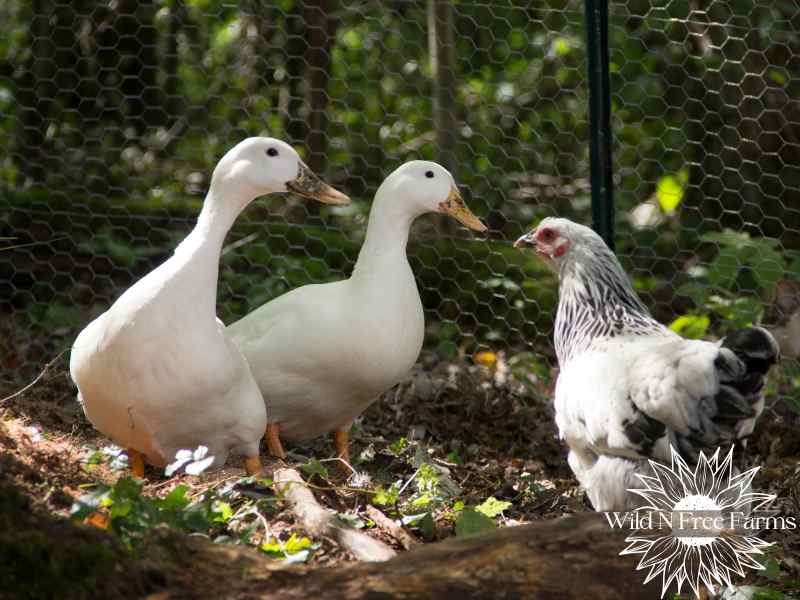
Integrating Livestock in Small Spaces: Urban Farming with Chickens, Rabbits, Ducks
Urban homesteading is booming, and for good reason—it’s a fantastic way to produce your own food, reduce waste, and connect with nature right in your backyard. If you’re a newbie looking to add livestock to your small urban space, integrating chickens, rabbits, and ducks can be rewarding. These animals provide eggs, meat, fertilizer, and even pest control, all while fitting into compact areas. But starting out requires careful planning to ensure their health and your success. In this guide, we’ll cover everything from space requirements and housing to feeding, care tips, and how to harmoniously combine these species in limited urban settings.

Disclaimer
This post contains affiliate links. This means we may earn a commission should you chose to sign up for a program or make a purchase using these links. There is no added cost to you but your purchase through these links helps support our content! Not to worry- I truly believe in and/or use everything I promote!
We also utilize advertisements on many of our articles. This is simply a way to help support all the work we do here at Wild N Free Farms, without adding any extra cost to our readers. Check out our disclaimer and disclosure page for more details.
Why Integrate Livestock in Urban Homesteads?
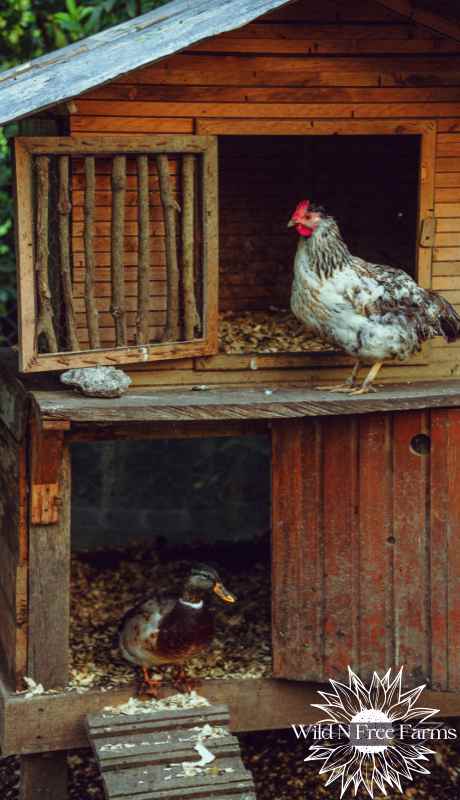
Before diving in, let’s talk benefits. Chickens offer fresh eggs and scratch up soil for better gardening. Rabbits are prolific breeders, providing lean meat and rich manure. Ducks are excellent foragers, controlling slugs and weeds while adding variety to your egg supply. Together, they create a mini ecosystem: chicken scratch aerates compost, rabbit pellets fertilize gardens, and ducks’ webbed feet prevent soil compaction. In small spaces, this synergy maximizes efficiency—think vertical stacking or mobile enclosures to save room. However, urban challenges like noise ordinances, predators (raccoons, hawks), and zoning laws mean you must start smart.
Legal and Planning Essentials for Newbies
First things first: Check your local laws. Many cities allow a limited number of chickens (often 4-6 hens, no roosters to avoid noise complaints), but rabbits and ducks might have restrictions. Contact your city’s animal control or zoning office—some require permits or setbacks from neighbors. Plan your space: Measure your yard and aim for multi-use areas. A 10×10 foot plot can house 2-4 chickens, 2 rabbits, and 2-3 ducks with creative design. Budget for startup costs: $200-500 for coops, feed, and fencing. Consider noise, smell control (use deep litter methods), and waste management to keep neighbors happy.
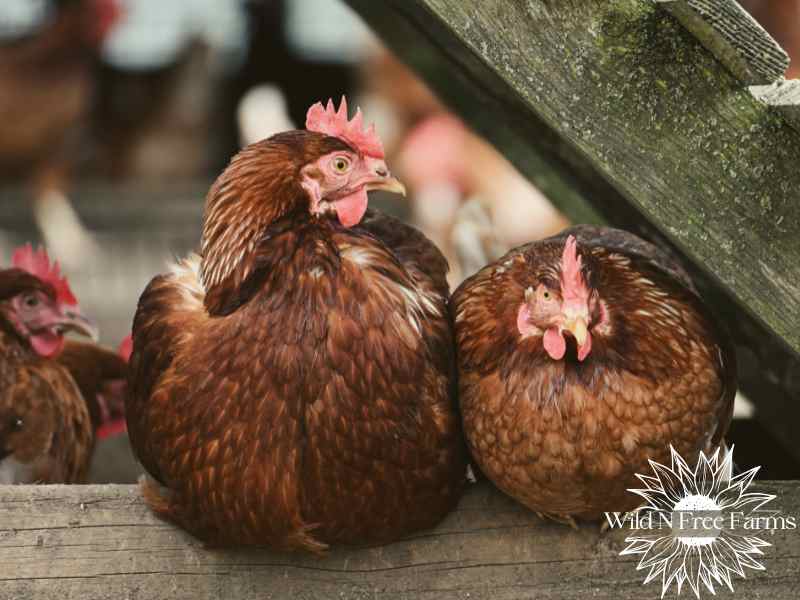
Raising Chickens in Tight Urban Spaces
Chickens are often the gateway livestock for urban homesteaders due to their low maintenance and high rewards. For small spaces, opt for bantam breeds like Silkies or Seramas—they’re smaller, quieter, and need less room.
Space and Housing Tips
Each chicken needs at least 4 square feet in the coop and 10 square feet in the run. In a tiny yard, use a mobile chicken tractor (a portable coop) to rotate them around grass patches. Build or buy a compact coop with nesting boxes, roosts, and ventilation to prevent moisture buildup. Elevate it to deter predators and add hardware cloth (not chicken wire) for security.
Feeding and Daily Care
Feed a balanced layer pellet (16-18% protein) supplemented with kitchen scraps like veggies (avoid onions or chocolate). Provide grit for digestion and oyster shells for calcium. Water should be fresh daily—use nipple drinkers to minimize mess. Collect eggs daily to encourage laying, and clean the coop weekly to control odors. Watch for signs of illness like lethargy or mites; quarantine new birds.
Benefits and Challenges
You’ll get 4-6 eggs per hen weekly, plus natural pest control. Challenges include dust baths turning yards muddy—mitigate with sand pits—and potential noise from clucking.
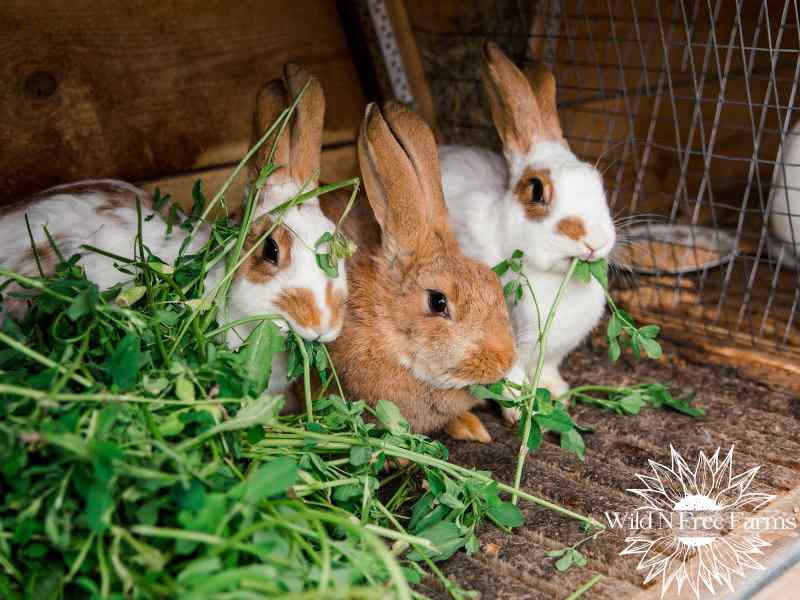
Incorporating Rabbits into Your Small Homestead
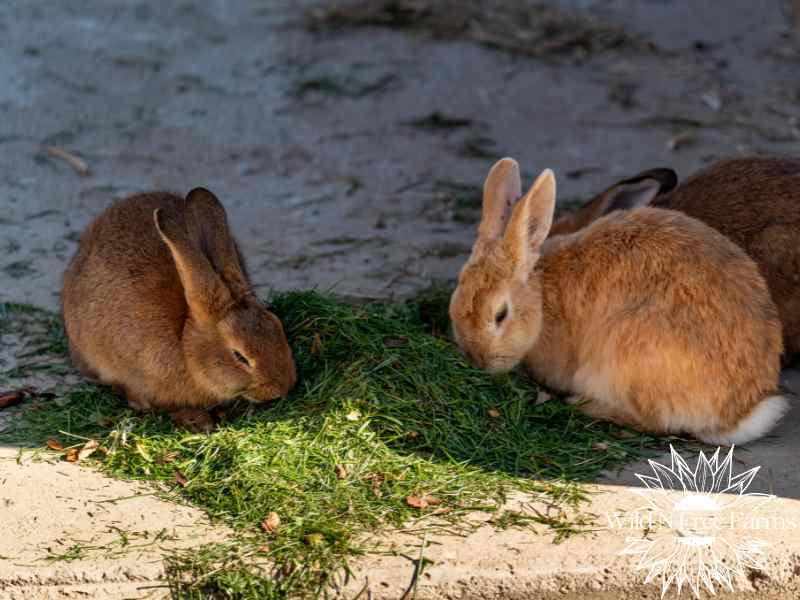
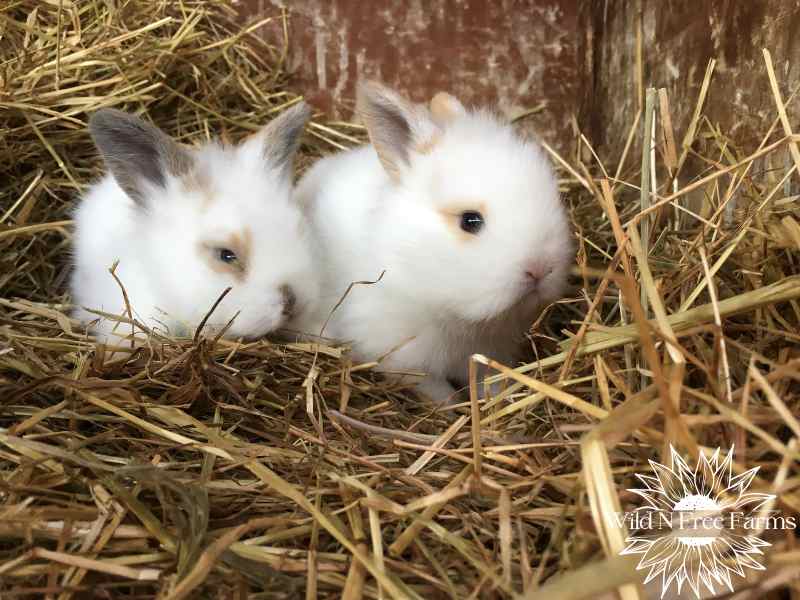
Rabbits are ideal for urban settings because they’re quiet, compact, and productive. Breeds like New Zealand or Californian are great for meat, while smaller ones like Dutch are pet-friendly.
Housing and Space Requirements
Each rabbit needs 4-6 square feet in a hutch, plus exercise time. Stack hutches vertically in a shed or use a rabbit tractor for grazing. Ensure wire floors for cleanliness but add resting mats to prevent sore hocks. Protect from heat (above 80°F is dangerous) with shade and frozen water bottles.
Nutrition and Maintenance
Diet: 80% hay (timothy for adults), 10% pellets, 10% veggies. Fresh water via bottles. Breed responsibly—rabbits multiply fast (gestation 28-31 days). Clean hutches daily to avoid flystrike, and neuter/spay if not breeding.
Pros and Cons
Manure is “cold” compost—use it directly in gardens. They’re low-noise, but watch for digging escapes or overheating in urban heat islands.
Adding Ducks to the Mix in Compact Areas
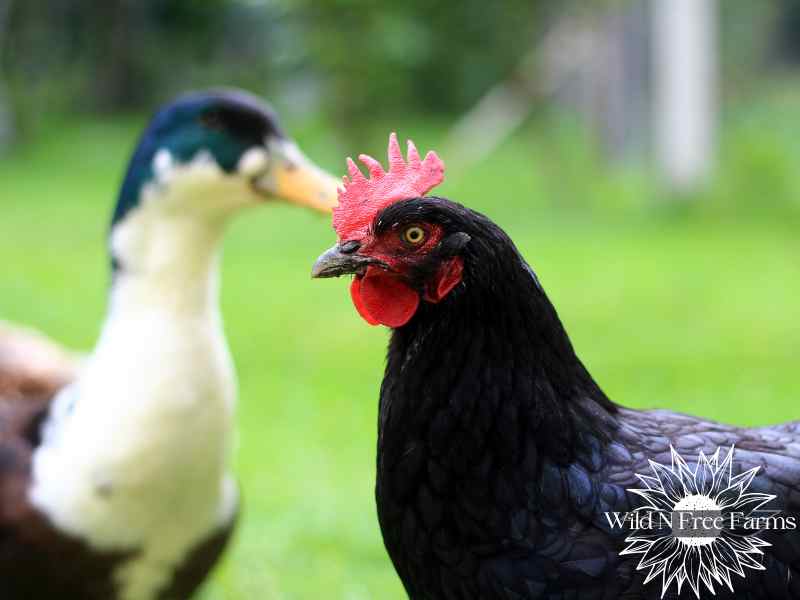
Ducks bring fun and utility but require water management. Choose smaller breeds like Khaki Campbells for eggs or Calls for quietness.
Space and Shelter Needs
Ducks need 4-6 square feet per bird indoors and 15-20 outside. No swimming pool required—a kiddie pool or tub suffices for bathing. Use a secure coop with ramps (they don’t roost like chickens) and straw bedding.
Feeding and Health Care
All-flock feed or duck pellets, plus greens and insects. They love foraging, reducing feed costs. Change water often to prevent bacteria. Common issues: angel wing from overfeeding bread—stick to balanced diets. Vaccinate against diseases if local risks are high.
Advantages and Hurdles
Excellent slug eaters and egg layers (up to 300/year). Messy with water, so use gravel for drainage. They’re noisier than rabbits but quieter than roosters.
Strategies for Integrating All Three in Small Spaces
The magic happens when you combine them. Use a rotational grazing system: Chickens follow rabbits to eat fly larvae, ducks clean up after. Stack enclosures—rabbits under chicken coops for shade. Shared compost: Mix manures for nutrient-rich soil. Monitor interactions—separate if aggression occurs, but many coexist peacefully. In urban spots, use odor-control like zeolite and plant barriers for privacy.
| Animal | Min. Space per Animal (Coop/Run) | Daily Feed Cost Estimate | Key Benefit |
|---|---|---|---|
| Chicken | 4 sq ft / 10 sq ft | $0.20-0.30 | Eggs & pest control |
| Rabbit | 4-6 sq ft / Exercise area | $0.15-0.25 | Manure & meat |
| Duck | 4-6 sq ft / 15-20 sq ft | $0.25-0.35 | Foraging & eggs |
Common Newbie Mistakes and How to Avoid Them
Don’t overcrowd—stress leads to pecking or disease. Start small: 2-3 of each. Ignore predators at your peril—use electric fencing. Forget winter prep: Insulate coops and provide heat lamps sparingly. Finally, track health with a journal.
Integrating chickens, rabbits, and ducks in small spaces is achievable and enriching for newbies. With proper planning, you’ll enjoy fresh produce, sustainability, and the joy of animal companionship. Start slow, learn from local homesteading groups, and scale up. Your tiny urban farm awaits!


Clear, reliable, and genuinely valuable — thank you.
The platform has become my first choice.
Great clarity combined with real substance. The platform keeps surprising me positively.