35 Plants For Chickens Run: Edible Treats and Ornamental Beauties
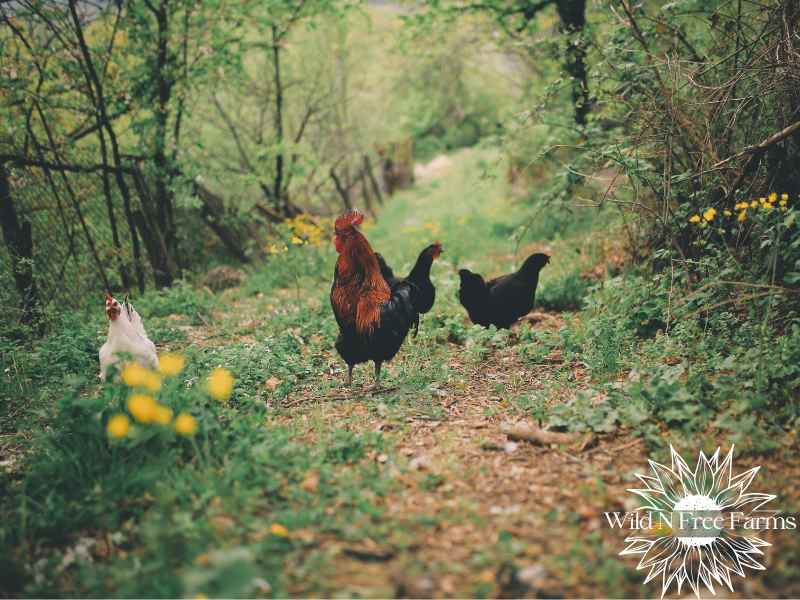
If you’re a backyard chicken keeper looking to enhance your chicken run, incorporating plants is a fantastic idea. Not only do they provide natural forage, nutrition, and entertainment for your flock, but they also add aesthetic appeal, shade, and even pest control to the space. In this article, we’ll explore 35 chicken-safe plants divided into two categories: those your chickens will happily munch on (offering health benefits like vitamins, deworming properties, and immune boosts) and those they typically avoid (perfect for adding color, shade, and habitat). These selections are based on expert recommendations from poultry enthusiasts and farming resources.

Disclaimer
This post contains affiliate links. This means we may earn a commission should you chose to sign up for a program or make a purchase using these links. There is no added cost to you but your purchase through these links helps support our content! Not to worry- I truly believe in and/or use everything I promote!
We also utilize advertisements on many of our articles. This is simply a way to help support all the work we do here at Wild N Free Farms, without adding any extra cost to our readers. Check out our disclaimer and disclosure page for more details.
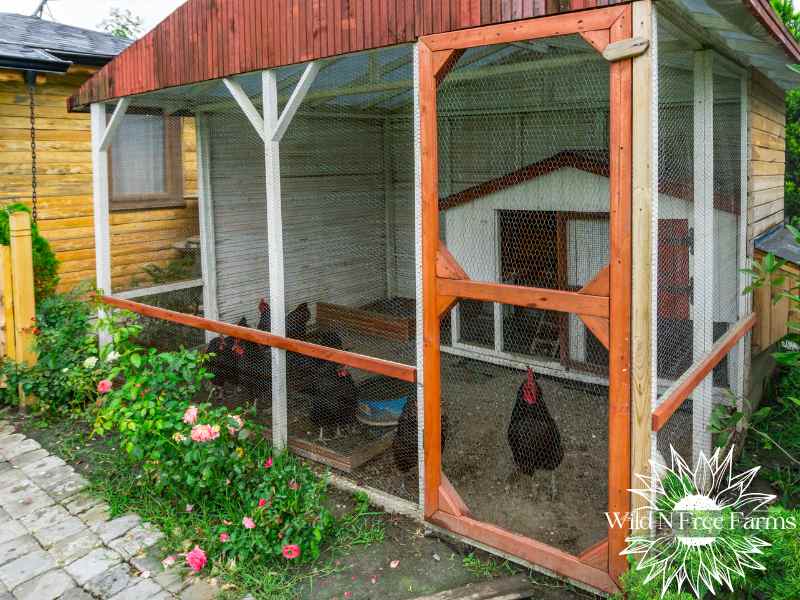
Whether you’re dealing with a small urban coop or a spacious rural run, these plants can transform a barren area into a thriving ecosystem. Remember to introduce plants gradually, ensure they’re pesticide-free, and protect young seedlings from enthusiastic pecking. Let’s dive in!
20 Plants Chickens Will Eat: Nutritious Forage Options
These plants serve as delicious treats for your chickens, supplementing their diet with essential nutrients, aiding digestion, and even acting as natural remedies. Chickens love foraging them, which promotes natural behaviors and can reduce feed costs.
- Basil: This aromatic herb has antibacterial properties that help prevent diseases in your flock. Chickens enjoy pecking at the leaves, which can boost their overall health.
- Oregano: A natural antibiotic, oregano controls pathogens like Salmonella and E. coli, supporting respiratory health and immunity.
- Thyme: With antibiotic and antibacterial effects, thyme benefits the respiratory system and acts as a natural dewormer when foraged.
- Mint: Acts as an insecticide and rodent repellent; chickens will eat the leaves, which can help keep the run pest-free.
- Parsley: Packed with vitamins and minerals like vitamin K, it supports laying hens and overall vitality.
- Dill: Helps prevent respiratory issues; chickens love the fresh or dried fronds for a flavorful boost.
- Sage: An antioxidant that prevents salmonella, making it a great dietary addition for disease prevention.
- Comfrey: Rich in protein, calcium, and potassium, it promotes healthy egg-laying and bone strength.
- Nettles: Nutritious when boiled or dried; provides vitamins and minerals for a well-rounded diet.
- Lemon Balm: Relieves stress and repels rodents; chickens will nibble on it for calming effects.
- White Clover: High in protein, it supplements feed and encourages foraging behavior.
- Sunflowers: Seeds and leaves offer omega-3s, protein, and fats for energy and feather health.
- Dandelions: A common weed full of nutrients; cleanses the digestive system naturally.
- Kale: Loaded with vitamin A and calcium for strong bones and eyesight.
- Cabbage: Provides hydration and vitamins; chickens tear into hanging heads for fun enrichment.
- Pumpkins: Acts as a natural dewormer with antioxidants; all parts are edible and fun to peck.
- Nasturtium: Flowers and seeds deworm naturally while adding peppery flavor to their diet.
- Blackberries: Ripe berries supply vitamins A, C, K, antioxidants, and fiber for gut health.
- Raspberries: Similar to blackberries, they offer seasonal treats rich in nutrients.
- Mulberry: Fallen fruit and leaves provide protein; chickens forage eagerly under the tree.

15 Plants Chickens Won’t Eat: For Color, Shade, and Habitat
These hardy plants withstand chicken activity and enhance the run’s appearance. They offer shade to cool your flock, attract pollinators for bug control, and add vibrant colors without being devoured.
- Lavender: Repels insects and calms birds; its purple blooms add fragrance and color.
- Rosemary: Keeps pests away with its strong scent; provides evergreen structure and shade.
- Wormwood: Repels parasites and airborne pests; silvery foliage adds visual interest.
- Fennel: Attracts pollinators and beneficial bugs; tall stalks offer light shade.
- Catnip: Discourages pests like flies; bushy growth provides hiding spots.
- Bamboo: Once established, it offers dense shade and wind protection; fast-growing for privacy.
- Honeysuckle: Vines climb fences for shade and sweet-scented flowers that attract insects for chickens to eat.
- Jasmine: Fragrant blooms add color; climbing habit creates shaded areas.
- Clematis: Colorful flowers brighten the run; vines provide vertical interest and light cover.
- Foxgloves: Tall spikes of purple/pink flowers add height and color; attracts bees.
- Lupins: Vibrant spires in various colors; nitrogen-fixing improves soil.
- Azaleas: Bright blooms in spring; evergreen varieties offer year-round shade.
- Camellias: Glossy leaves and flowers provide color and structure.
- Hardy Geraniums: Low-growing with colorful flowers; ground cover reduces mud.
- Impatiens: Shade-loving annuals with bright flowers; add pops of color in dim areas.
Choose plants suited to your climate and soil, and consider protecting them with wire cloches until established. Mixing edible and non-edible varieties creates a balanced, low-maintenance space that benefits both your chickens and your backyard. Happy planting—and clucking! If you have experience with these plants, share in the comments below.