Root Cellar Crops You Can Grow Almost Anywhere
When people hear “root cellar,” they often picture old stone basements or historic farmhouses. But the truth is, root cellar crops aren’t about having a perfect setup—they’re about choosing the right foods.
Long before freezers and modern refrigeration, families relied on crops that could be harvested once and eaten slowly over months. These foods didn’t require electricity, expensive equipment, or constant attention. They simply lasted.

Disclaimer
This post contains affiliate links. This means we may earn a commission should you chose to sign up for a program or make a purchase using these links. There is no added cost to you but your purchase through these links helps support our content! Not to worry- I truly believe in and/or use everything I promote!
We also utilize advertisements on many of our articles. This is simply a way to help support all the work we do here at Wild N Free Farms, without adding any extra cost to our readers. Check out our disclaimer and disclosure page for more details.
For families seeking practical self-reliance in uncertain times, root cellar crops offer something powerful:
- Steady calories
- Reliable nutrition
- Storage without constant inputs
And the best part? Many of these crops can be grown in backyard gardens, raised beds, or even containers—across a wide range of climates.
This isn’t about aesthetics or stockpiling. It’s about growing foods that quietly carry your family through winter and lean seasons.

What Makes a Crop a “Root Cellar Crop”?
Not every vegetable is meant for long-term storage. Root cellar crops share a few important traits:
- Dense structure (roots, bulbs, or thick-skinned fruit)
- Low moisture loss after harvest
- Cold tolerance in storage
- Minimal processing required
Most store best at cool (32–45°F), dark, and humid conditions—but many adapt well to improvised storage spaces like closets, garages, crawlspaces, or insulated boxes.
The goal isn’t perfection. It’s extension.

Root Cellar Crops You Can Grow Almost Anywhere
These crops are reliable across regions, adaptable to different soils, and forgiving for beginners.
1. Potatoes
Potatoes are one of the most efficient calorie crops you can grow.
Why they work:
- High calorie yield per square foot
- Store 4–6 months easily
- Adapt to containers, grow bags, and in-ground beds
Storage basics: Cure briefly, then store unwashed in darkness with airflow.
Why I grow them: Potatoes turn a small garden into real meals. They stretch soups, stews, and casseroles all winter.
2. Sweet Potatoes (in warmer climates)
Sweet potatoes are often overlooked for storage, but when cured properly, they store beautifully.
Why they work:
- Extremely nutrient-dense
- Long storage life after curing
- Thrive in poor soils
Storage basics: Cure warm, then store above 55°F in a dry space.
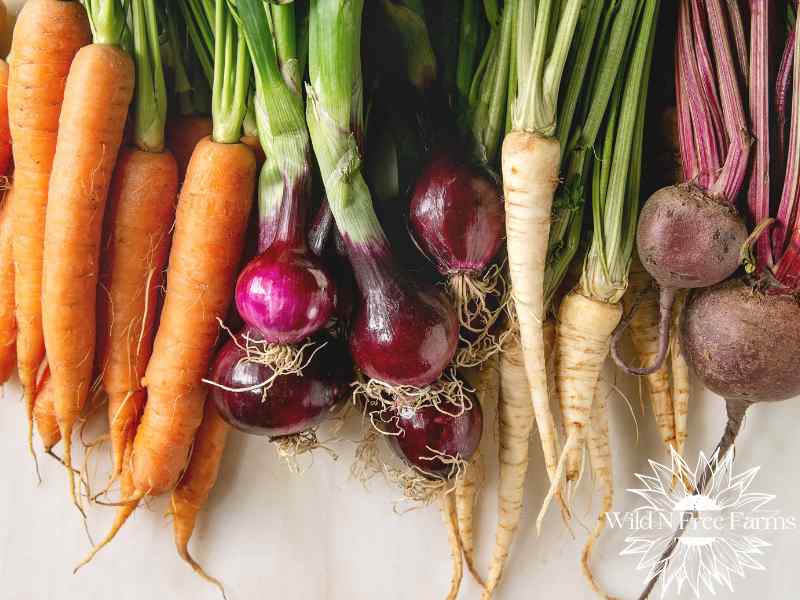
3. Carrots
Carrots are one of the easiest entry points into root cellar storage.
Why they work:
- Grow in most climates
- Cold-hardy in-ground
- Can store for months in sand or soil
Storage basics: Remove tops, store layered in damp sand or sawdust.
4. Beets
Beets are hardy, forgiving, and dual-purpose.
Why they work:
- Roots store well
- Greens provide early harvests
- Tolerate cool temperatures
Storage basics: Similar to carrots—cool, humid, and dark.
5. Turnips & Rutabagas
These traditional storage crops are making a quiet comeback.
Why they work:
- Thrive in cool weather
- Excellent long-term storage
- High yield with minimal care
Storage basics: Store unwashed in bins or crates with airflow.
6. Onions (Storage Varieties)
Not all onions store well—but storage types are worth the space.
Why they work:
- Essential for everyday cooking
- Long shelf life when cured properly
Storage basics: Cure thoroughly, then store dry with airflow.
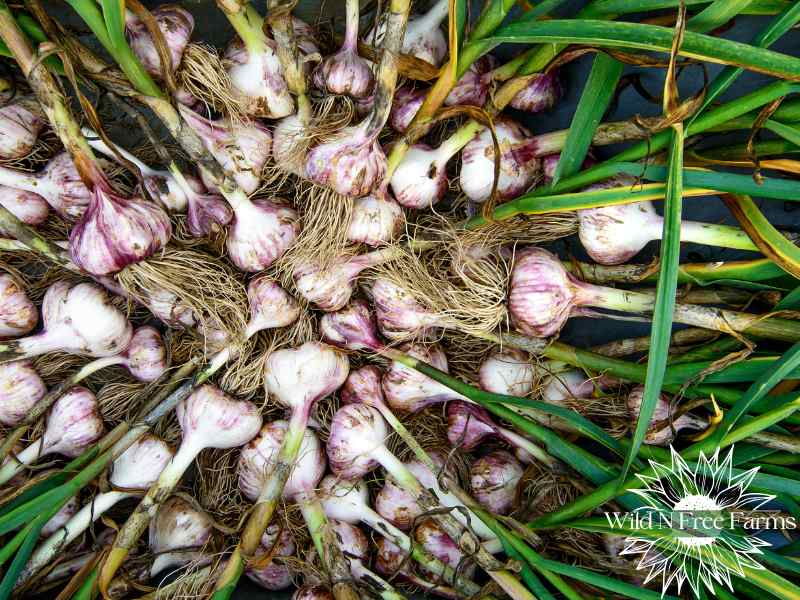
7. Garlic
Garlic is both food and medicine in one crop.
Why it works:
- Grows in most climates
- Stores 6–9 months
- Multiplies your investment
Storage basics: Cure, then hang or store loose in a dry place.
8. Winter Squash
Winter squash blurs the line between garden and pantry staple.
Why it works:
- Thick skins protect the flesh
- Stores without refrigeration
- Provides carbohydrates and vitamins
Storage basics: Cure, then store cool and dry (not humid).
9. Cabbage
Cabbage is one of the most underrated storage crops.
Why it works:
- Stores whole heads for months
- Can be fermented for extended preservation
Storage basics: Store whole heads in cool, humid conditions.

You Don’t Need a Traditional Root Cellar
This is where many families get stuck.
You do not need:
- A stone cellar
- A rural homestead
- Special construction
You can use:
- A basement corner
- An insulated garage shelf
- A cooler buried in soil
- A spare closet on an exterior wall
Root cellar storage is about temperature moderation, darkness, and airflow—not perfection.
How Root Cellar Crops Build Quiet Food Security
These crops don’t just fill shelves. They change how your family eats and plans.
- Fewer grocery trips
- More home-cooked meals
- Less panic during supply disruptions
- Confidence built through experience
This is resilience that grows slowly and steadily—season by season.

Getting Started Without Overwhelm
If you’re new, start with two or three crops:
- Potatoes
- Carrots
- Onions
Grow a little extra. Store imperfectly. Learn as you go.
Food security doesn’t come from doing everything at once—it comes from doing something consistently.
In our home, growing and storing food isn’t about fear of the future. It’s about stewardship—using the land, time, and resources we’ve been given wisely.
Root cellar crops remind us that provision often comes through quiet preparation.
Plant the seeds. Store the harvest. Trust the process.