

Growing Strawberries Under Trees: Food Forest Design Tips
If you’re looking to create a productive and low-maintenance garden, growing strawberries under trees, particularly fruit trees, as an understory plant is a smart choice. This companion planting approach mimics natural food forests, where taller trees provide benefits to ground-level plants like strawberries, and vice versa. Strawberries thrive under the dappled shade of fruit trees, acting as a living mulch to suppress weeds and retain soil moisture, while the trees attract pollinators and drop leaves that naturally fertilize the soil. In return, strawberries help prevent soil erosion and deter pests around tree roots.

Disclaimer
This post contains affiliate links. This means we may earn a commission should you chose to sign up for a program or make a purchase using these links. There is no added cost to you but your purchase through these links helps support our content! Not to worry- I truly believe in and/or use everything I promote!
We also utilize advertisements on many of our articles. This is simply a way to help support all the work we do here at Wild N Free Farms, without adding any extra cost to our readers. Check out our disclaimer and disclosure page for more details.
Why Grow Fruit Trees Over Strawberries?
In a food forest design, layering plants creates a self-sustaining ecosystem. Fruit trees form the canopy layer, while strawberries serve as ground cover. Here’s why this combination works:
- Shade and Protection: Trees provide partial shade, protecting strawberries from intense summer sun and reducing evaporation, which keeps the soil cooler and moister.
- Natural Mulch: Fallen leaves from trees decompose into nutrient-rich mulch, feeding strawberries and improving soil structure.
- Pollinator Attraction: Tree blossoms draw bees and other pollinators, boosting strawberry yields.
- Weed Suppression and Moisture Retention: Strawberries spread as a dense mat, crowding out weeds and conserving water around tree roots.
- Pest Control: Strawberries can deter ground-dwelling pests, while trees host beneficial insects that prey on strawberry threats like aphids.
- Mutual Nutrition: Strawberries help prevent soil compaction, allowing better nutrient uptake for trees, and trees add organic matter to the soil.
This symbiotic relationship reduces maintenance, increases biodiversity, and maximizes harvests. Now, let’s explore the best trees.
Considerations When Choosing a Tree
Selecting the right fruit tree for planting over strawberries involves several key factors to ensure both plants thrive in a food forest setup.
Start by assessing your local climate and growing zone, as trees must be hardy in your area to avoid frost damage or heat stress—most fruit trees listed here suit zones 4-9, but always check specifics for your region.
Consider the mature size of the tree; opt for dwarf or semi-dwarf varieties if space is limited, as they reach 8-15 feet and provide manageable shade without overwhelming strawberries. Sunlight is crucial—fruit trees typically need at least half a day to full sun for optimal fruiting, while strawberries tolerate the resulting dappled shade well, making this pairing ideal.
Maintenance level is another important aspect: Choose “extensive” trees that require less pruning, pest management, and care if you’re aiming for a low-input system, as intensive varieties demand more time and could compete with strawberry maintenance.
Pollination needs vary—self-fertile trees simplify things, but some require a compatible pollinator nearby, which can enhance overall biodiversity and benefit strawberries through increased pollinator activity.
Disease resistance is key to prevent issues like fungal infections from spreading between the tree and strawberries; look for resistant varieties to minimize chemical interventions.
Finally, evaluate compatibility: The tree should provide beneficial shade without excessive root competition, and strawberries act as a walkable ground cover that suppresses weeds and tolerates foot traffic during harvest. Plan for spacing, such as a mulch ring around the tree base to avoid compacting soil while accessing the canopy. By weighing these considerations, you’ll create a balanced ecosystem that boosts yields for both.
Soil Requirements to Support Both Plants
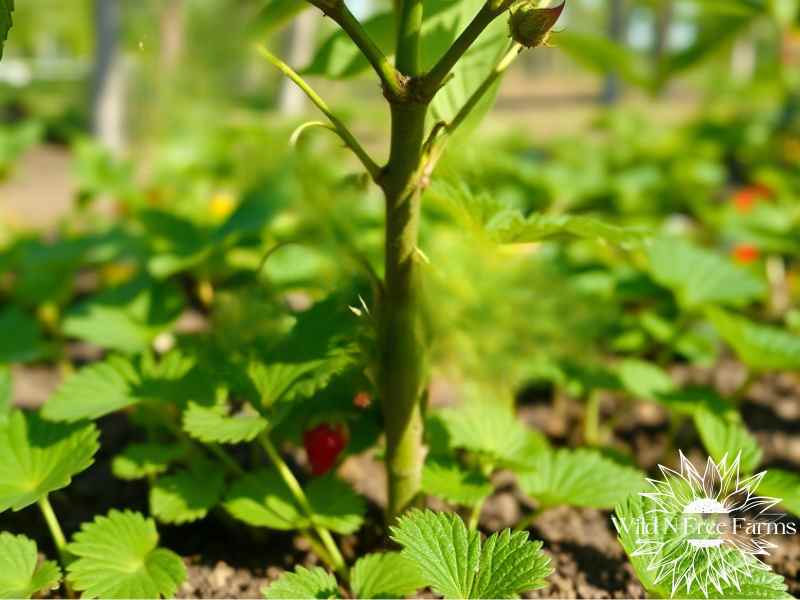
For successful companion planting of fruit trees and strawberries, the soil must meet the needs of both to promote healthy growth and prevent issues like root rot or nutrient deficiencies. Aim for well-drained soil to avoid waterlogging, as both plants are susceptible to fungal diseases in soggy conditions—incorporate organic matter like compost to improve drainage if your soil is heavy clay. The ideal pH range overlaps at slightly acidic levels: strawberries prefer 5.4-6.5, while most fruit trees thrive in 6.0-6.8, so target 6.0-6.5 for compatibility and test your soil annually to adjust with lime (to raise pH) or sulfur (to lower it).
Fertility is essential—enrich the soil with nutrient-rich amendments like aged manure or compost to support the heavy feeding habits of both plants, ensuring strawberries have at least 4-6 inches of fertile topsoil for their shallow roots.
Mulching is highly recommended: Apply a 2-4 inch layer of organic mulch (such as wood chips or straw) in a ring around the tree base, extending to the drip line where strawberries are planted, to retain moisture, suppress weeds, and gradually release nutrients as it decomposes.
Incorporate companion elements like comfrey or legumes nearby to accumulate and fix nutrients, enhancing soil health over time. Regularly monitor for moisture, as strawberries help regulate it but both benefit from consistent watering during establishment. With these soil preparations, your food forest will foster robust growth and abundant harvests.
8 Best Fruit Trees To Plant Over Strawberries

1. Apple Tree (Malus domestica)
Apple trees offer dappled shade and abundant pollinators, making them excellent companions for strawberries.
- Varieties: Honeycrisp (sweet, crisp), Gala (mild, juicy), McIntosh (tart, aromatic).
- Growing Zones: 4-7.
- Mature Height: 10-30 feet (dwarf varieties 8-10 feet).
- Benefits to Strawberries: Provides partial shade to prevent scorching; fallen leaves mulch the soil; attracts bees for better berry pollination.
- Benefits from Strawberries: Strawberries suppress weeds around roots; retain moisture to reduce tree stress; deter rodents that damage bark.
- How to Plant and Grow Over Strawberries: Plant the apple tree in full sun with well-drained soil. Space strawberries 12-18 inches apart around the drip line (outer edge of canopy). Mulch with compost initially. Prune annually in late winter for airflow. Harvest apples in late summer/fall; strawberries in early summer.
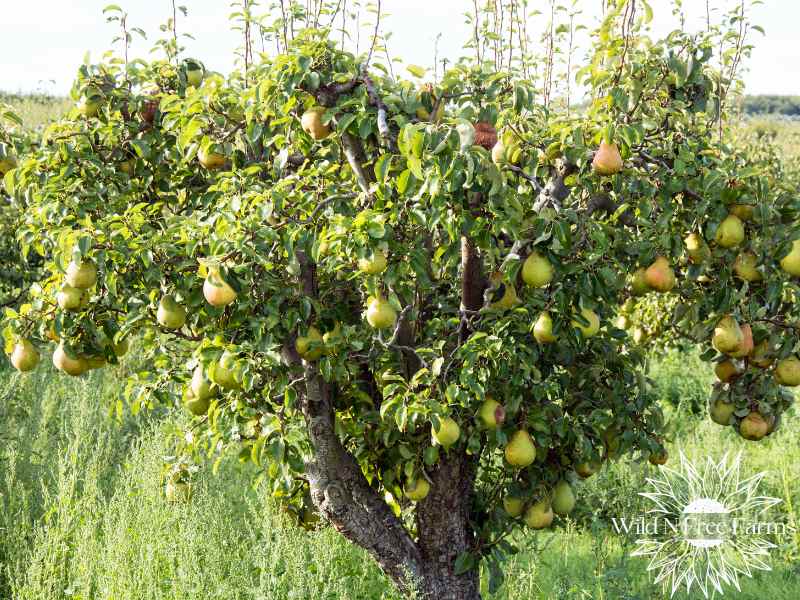
2. Pear Tree (Pyrus communis)
Pears provide similar shade and structure to apples but with sweeter, juicier fruits that complement strawberry harvests.
- Varieties: Bartlett (sweet, juicy), Bosc (crisp, spiced).
- Growing Zones: 4-8.
- Mature Height: 12-20 feet (dwarf 8-12 feet).
- Benefits to Strawberries: Dappled shade extends strawberry season; leaf litter adds nutrients; flowers boost pollinators.
- Benefits from Strawberries: Ground cover prevents erosion; moisture retention aids root health; repels deer from young bark.
- How to Plant and Grow Over Strawberries: Choose a sunny, fertile site. Plant strawberries at the drip line in spring. Water deeply weekly during dry spells. Thin pears in early summer for larger fruit. Prune in winter to maintain shape. Harvest pears in late summer; strawberries in spring.

3. Plum Tree (Prunus domestica)
Plums add vibrant color and early fruit, creating a multi-season harvest with strawberries.
- Varieties: Methley (sweet, juicy), Santa Rosa (tart-sweet), Stanley (prune-like, sweet).
- Growing Zones: 5-8.
- Mature Height: 10-20 feet (dwarf 8-12 feet).
- Benefits to Strawberries: Early shade protects from heat; dropped leaves fertilize soil; attracts beneficial insects.
- Benefits from Strawberries: Weed control around base; soil cooling reduces fungal risks; enhances pollination.
- How to Plant and Grow Over Strawberries: Plant in full sun with good drainage. Space strawberries 1-2 feet from trunk. Apply mulch annually. Prune after fruiting to encourage airflow. Harvest plums in summer; strawberries in spring.

4. Peach Tree (Prunus persica)
Peaches offer warm-season fruit and light shade, ideal for extending strawberry productivity.
- Varieties: Contender (sweet, freestone), Redhaven (juicy, firm), Elberta (large, sweet).
- Growing Zones: 5-9.
- Mature Height: 10-15 feet (dwarf 6-10 feet).
- Benefits to Strawberries: Partial shade prevents bolting; petals and leaves provide mulch; pollinators increase yields.
- Benefits from Strawberries: Living mulch retains moisture; deters borers; improves soil aeration.
- How to Plant and Grow Over Strawberries: Select a sunny, elevated spot to avoid frost pockets. Plant strawberries beyond the root zone. Water consistently during fruiting. Prune annually for open center. Harvest peaches in summer; strawberries in spring.
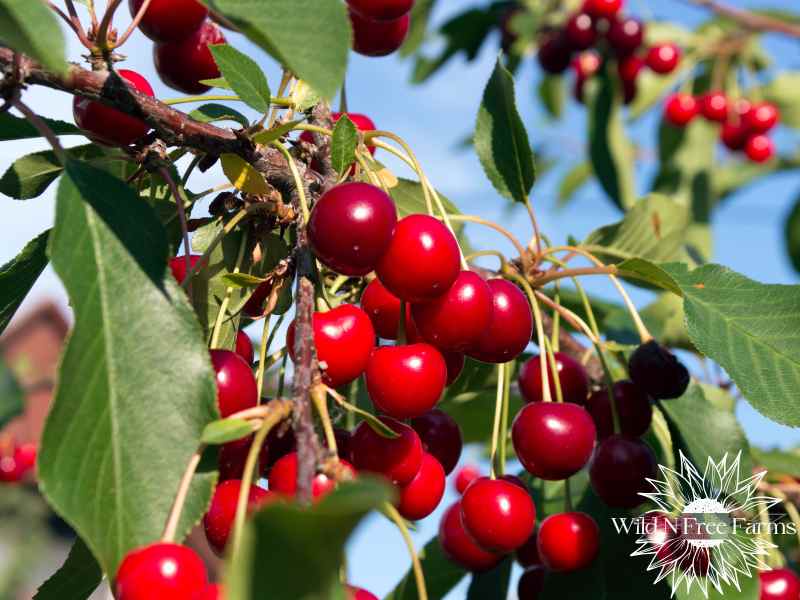
5. Cherry Tree (Prunus spp.)
Cherries provide early blooms and fruit, drawing pollinators that benefit strawberries.
- Varieties: Montmorency (tart, pie cherry), Stella (sweet, self-fertile), Rainier (sweet, yellow-red).
- Growing Zones: 4-7 (tart); 5-9 (sweet).
- Mature Height: 10-30 feet (dwarf 8-15 feet).
- Benefits to Strawberries: Early shade and flowers boost pollinators; leaf drop enriches soil.
- Benefits from Strawberries: Ground cover suppresses weeds; retains moisture for roots; repels birds from low branches.
- How to Plant and Grow Over Strawberries: Plant in full sun with protection from birds. Space strawberries at drip line. Net trees during fruiting. Prune after harvest. Harvest cherries in early summer; strawberries follow.
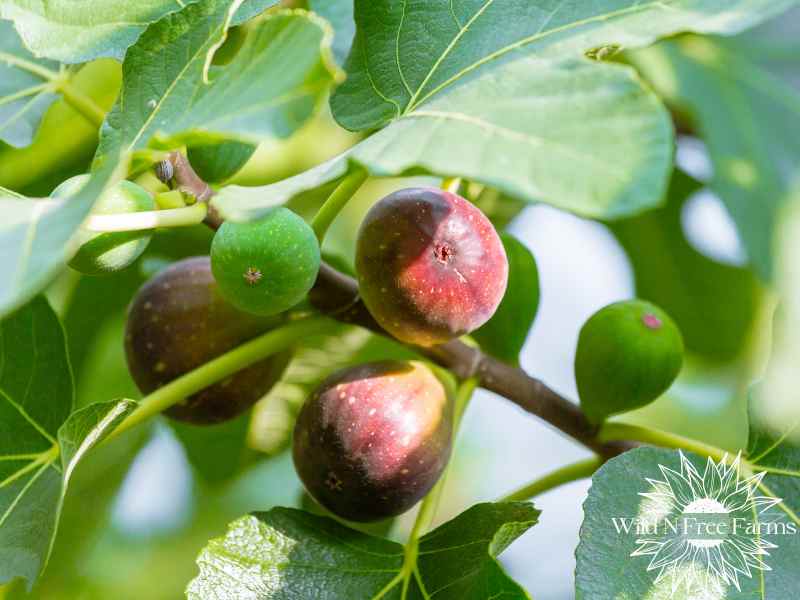
6. Fig Tree (Ficus carica)
Figs provide dense shade and sweet fruit, creating a microclimate for strawberries.
- Varieties: Olympian (cold-tolerant, sweet), Brown Turkey (juicy, mild).
- Growing Zones: 5-10.
- Mature Height: 10-30 feet (dwarf 6-10 feet).
- Benefits to Strawberries: Heavy shade in summer; leaf mulch; attracts beneficial insects.
- Benefits from Strawberries: Ground cover cools roots; prevents erosion; enhances humidity.
- How to Plant and Grow Over Strawberries: Plant in full sun with shelter. Space strawberries under canopy. Prune for shape. Harvest figs in late summer; strawberries earlier.

7. Mulberry Tree (Morus spp.)
Mulberries offer abundant berries and shade, supporting strawberry growth.
- Varieties: Pakistan (large, sweet),
- Growing Zones: 4-9.
- Mature Height: 10-30 feet (dwarf 6-15 feet).
- Benefits to Strawberries: Extended shade; dropped fruit feeds soil; pollinators abound.
- Benefits from Strawberries: Weed control; moisture retention; bird deterrence.
- How to Plant and Grow Over Strawberries: Plant in full sun. Introduce strawberries at base. Prune for accessibility. Harvest mulberries in summer; strawberries in spring.
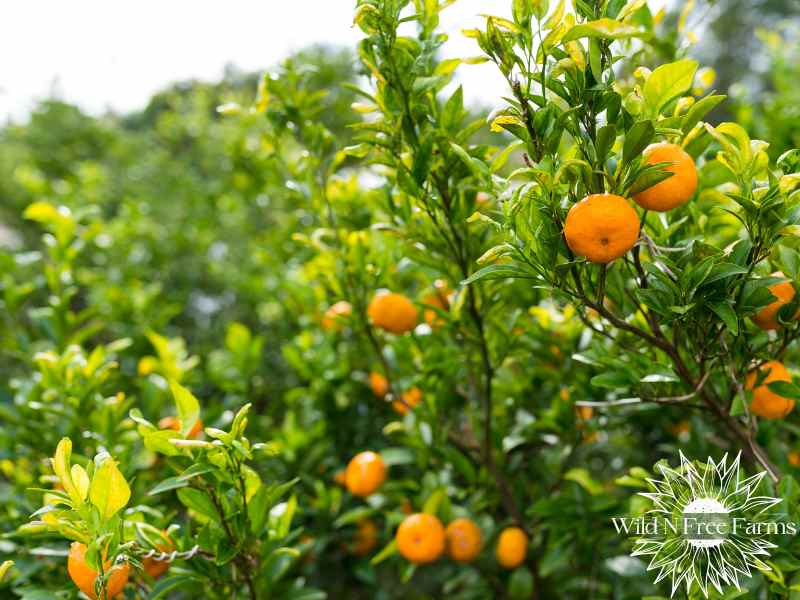
8. Persimmon Tree (Diospyros spp.)
Persimmons provide late-season fruit and fall shade for strawberries.
- Varieties: Fuyu (non-astringent, sweet), Hachiya (astringent, soft), American (tart, native).
- Growing Zones: 4-9 (American); 7-10 (Asian).
- Mature Height: 20-50 feet (dwarf 10-20 feet).
- Benefits to Strawberries: Autumn shade; leaf mulch; wildlife attraction.
- Benefits from Strawberries: Soil stabilization; pest repulsion; moisture conservation.
- How to Plant and Grow Over Strawberries: Select a sunny site. Plant strawberries around trunk. Prune minimally. Harvest persimmons in fall; strawberries in spring.
Stay Up To Date
Enter your name and email to subscribe to our weekly newsletter, announements and freebies!
By integrating these fruit trees with strawberries, you’ll build a resilient food forest that boosts yields and minimizes work. Start small, observe your garden’s conditions, and expand as you go. Happy planting!


