Top No-Till Cover Crops for Raised Beds: Boost Your Garden Soil Effortlessly
In the world of sustainable gardening, cover crops are gaining massive traction as a smart, eco-friendly way to nurture your soil without the backbreaking work of traditional methods. If you’re tending raised beds—those compact, efficient garden spaces that make urban and backyard farming a breeze—you’ll love the no-till approach to cover cropping. No more digging up your precious soil structure! Whether you’re a newbie gardener or a seasoned pro, these tips on growing cover crops for raised beds will help you supercharge your soil health and yields while keeping things low-maintenance.

Disclaimer
This post contains affiliate links. This means we may earn a commission should you chose to sign up for a program or make a purchase using these links. There is no added cost to you but your purchase through these links helps support our content! Not to worry- I truly believe in and/or use everything I promote!
We also utilize advertisements on many of our articles. This is simply a way to help support all the work we do here at Wild N Free Farms, without adding any extra cost to our readers. Check out our disclaimer and disclosure page for more details.
The Benefits of Cover Cropping in Raised Beds
Raised beds offer controlled environments with better drainage and warmer soil, but they can still face challenges like nutrient depletion, weed invasion, and erosion from heavy rains. Enter cover crops: fast-growing plants sown specifically to protect and enrich the soil between main crop cycles. Here’s why they’re a must-try for raised bed gardeners:
- Soil Fertility Boost: Cover crops act as living mulch, adding organic matter and nutrients back into the soil as they decompose. Legumes, for instance, fix nitrogen from the air, reducing your need for synthetic fertilizers.
- Weed Suppression: Dense cover crop growth shades out weeds, saving you hours of weeding and minimizing competition for your veggies.
- Erosion Prevention: In raised beds, where soil can wash away during storms, cover crops’ roots hold everything in place, preserving your carefully built beds.
- Moisture Retention: They help retain water by reducing evaporation, which is crucial in raised beds that dry out faster than in-ground gardens.
- Biodiversity and Pest Control: Attracting beneficial insects and improving microbial activity, cover crops create a balanced ecosystem that deters pests and diseases naturally.
- Improved Soil Structure: Over time, their roots aerate the soil without tilling, promoting better airflow and root penetration for future plants.
By incorporating cover crops, you’re essentially letting nature do the heavy lifting, leading to healthier plants and higher productivity in your compact raised bed setup.

The Best Time to Start Cover Crops in Raised Beds
Timing is everything when it comes to cover crops—get it right, and you’ll maximize benefits without interfering with your main harvests. The optimal start depends on your climate zone, but here’s a general guide:
- Fall Sowing (Late Summer to Early Fall): This is prime time for most regions, especially USDA zones 5-9. Plant after harvesting summer crops like tomatoes or peppers, around 4-6 weeks before the first frost. Winter-hardy covers will overwinter and green up in spring, providing year-round protection.
- Spring Sowing: In milder climates or for quick-growing covers, sow in early spring as soon as the soil is workable (around 40-50°F). This works well after winter crops or in beds left fallow.
- Summer Sowing: For fast-maturing options, plant in mid-summer gaps between plantings. Avoid hot, dry periods unless you can irrigate.
- Consider Your Zone: In colder areas (zones 3-4), focus on hardy fall-planted covers. Warmer zones (10+) can experiment with year-round sowing. Always check local frost dates and aim to plant when daytime temps are consistently above 50°F for germination.
Starting at the right time ensures robust growth, preventing bare soil exposure that leads to nutrient loss and compaction.

How to Cover Crop Without Tilling in Raised Beds
The beauty of no-till cover cropping is its simplicity—no heavy equipment, just smart techniques that work perfectly in the confined space of raised beds. Here’s a step-by-step guide:
- Prepare the Bed: After harvesting, remove any large plant debris but leave roots in place to decompose naturally. Lightly rake the surface to create a seedbed without digging deep.
- Broadcast Seeds: Scatter seeds evenly over the soil at the recommended rate (usually 1-2 lbs per 100 sq ft, depending on the crop). For better contact, gently press them in with a board or your feet.
- Cover Lightly: Add a thin layer of compost, straw mulch, or leaf mold (about 1/4-1/2 inch) to protect seeds from birds and retain moisture. Avoid burying too deep—most cover crop seeds need light to germinate.
- Water and Monitor: Keep the soil moist until germination (7-14 days). In raised beds, this is easy with targeted watering.
- Maintenance: Once established, covers need little care. Mow or trim if they get too tall, but let them grow until termination time.
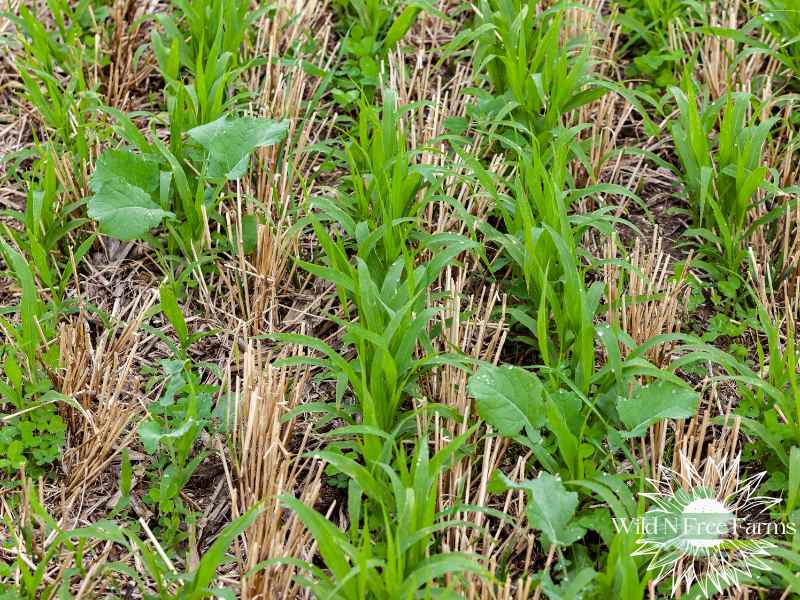
This method integrates seamlessly with raised beds’ design, allowing you to sow directly without disrupting the ecosystem below.

The Benefits of Not Disturbing the Soil Structure with Tilling
Tilling might seem like a quick fix for aeration, but in raised beds, it can do more harm than good. No-till practices preserve the soil’s natural architecture, leading to long-term health. Key advantages include:
- Preserved Microbial Life: Tilling kills beneficial fungi like mycorrhizae, which partner with plant roots for nutrient uptake. No-till keeps these networks intact for better fertility.
- Maintained Soil Aggregates: Undisturbed soil forms stable clumps that improve water infiltration and root growth, reducing runoff in raised beds.
- Reduced Compaction and Erosion: Frequent tilling compacts soil over time, but no-till encourages earthworms and other organisms to naturally aerate, keeping beds fluffy.
- Carbon Sequestration: Leaving soil undisturbed locks in carbon, combating climate change while building humus for richer, more resilient soil.
- Time and Labor Savings: Skip the tiller, and you’ll avoid the physical strain and equipment costs, making gardening more accessible and enjoyable.
- Enhanced Biodiversity: A stable soil structure supports diverse life forms, from bacteria to insects, creating a thriving underground habitat that boosts overall garden vitality.
Embracing no-till transforms your raised beds into self-sustaining powerhouses, mimicking natural ecosystems for superior results.

10 Recommended Cover Crops for Raised Beds (No-Till Friendly)
Here’s a list of 10 excellent cover crops specifically suited for raised beds. These are chosen for their ease of no-till integration, adaptability to small spaces, and soil-enhancing properties. I’ve included sowing times, soil benefits, and termination methods. Rates are approximate—adjust based on your bed size.
|
Crop |
When to Sow |
What It Adds to the Soil |
How and When to Remove |
Where To Get It |
|---|---|---|---|---|
|
Late summer to early fall |
Nitrogen fixation (up to 150 lbs/acre), organic matter, weed suppression |
Mow or cut at ground level in early spring before flowering; leave as mulch | ||
|
Early to mid-fall |
Erosion control, deep root penetration for aeration, nutrient scavenging |
Cut or roll in late spring when 12-18 inches tall; incorporate as green manure or mulch | ||
|
Mid to late fall |
High nitrogen fixation, biomass for soil structure, attracts pollinators |
Mow in spring before seeds form; let decompose in place | ||
|
Spring or early fall |
Quick biomass addition, weed smothering, improves tilth |
Winter-kills in cold climates; mow in spring if needed and leave residues | ||
|
Late spring to summer |
Phosphorus mobilization, rapid weed suppression, attracts beneficial insects |
Mow when flowering (about 6 weeks after sowing); till lightly or mulch over | ||
|
Late summer to fall |
Soil aeration via deep taproots, breaks compaction, nutrient uptake |
Winter-kills; roots decompose naturally, or pull and chop in spring | ||
|
Early fall |
Biofumigant for pest/disease control, adds sulfur, suppresses nematodes |
Mow before seed set in spring; incorporate residues for fumigation effect | ||
|
Spring or fall |
Enhances soil fertility with organic matter, boosts pollinator activity, improves drainage |
Cut when blooming; leave as mulch to decompose | ||
|
Early spring or late summer |
Deep roots add organic matter, fixes nitrogen (up to 200 lbs/acre), improves soil aeration |
Mow or cut in early spring before flowering: leave as mulch or incorporate lightly |
Buy Alfalfa | |
|
Late summer to fall |
Nitrogen fixation, cold-hardy biomass, supports mycorrhizal fungi |
Cut in spring before pod formation; mulch in place for slow release |
These cover crops are versatile, low-cost, and readily available from seed suppliers. Experiment with mixes for even greater benefits, like combining legumes with grasses for balanced nutrition. With no-till cover cropping, your raised beds will thrive season after season, drawing in more traffic to your garden (and maybe even your blog!). Ready to sow? Share your experiences in the comments below. Happy gardening!