
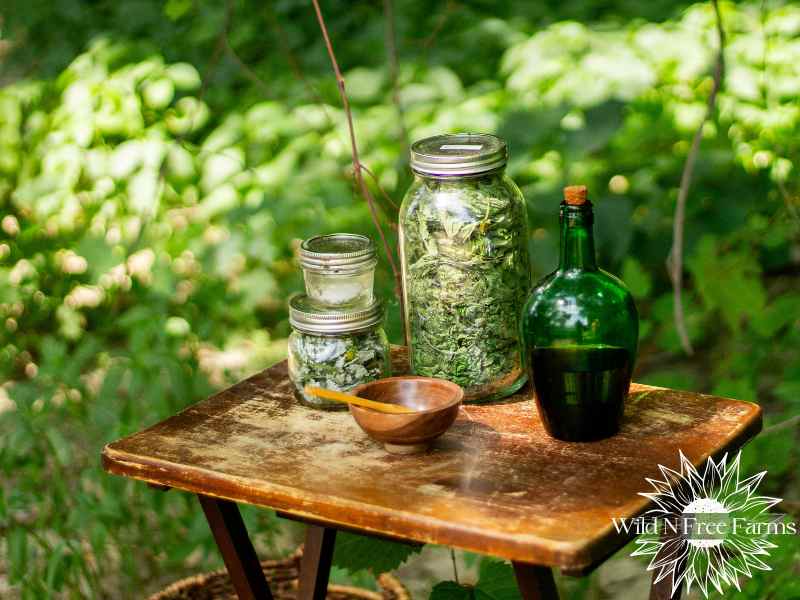
How to Make a Lemon Balm Tincture: Easy DIY Recipe for Homemade Stress Relief
Are you looking for a simple lemon balm tincture recipe to create your own homemade lemon balm tincture? In today’s fast-paced world, natural remedies like DIY lemon balm tincture are gaining popularity for their lemon balm tincture benefits, especially as a lemon balm for anxiety solution. This guide will walk you through how to make lemon balm tincture at home, highlighting its benefits of lemon balm tincture, step-by-step instructions, and everything else you need to know to make your lemon balm tincture recipe.

Disclaimer
This post contains affiliate links. This means we may earn a commission should you chose to sign up for a program or make a purchase using these links. There is no added cost to you but your purchase through these links helps support our content! Not to worry- I truly believe in and/or use everything I promote!
We also utilize advertisements on many of our articles. This is simply a way to help support all the work we do here at Wild N Free Farms, without adding any extra cost to our readers. Check out our disclaimer and disclosure page for more details.
Lemon balm, scientifically known as Melissa officinalis, is a versatile herb from the mint family that’s easy to grow and harvest. Whether you’re new to herbalism or an experienced forager, crafting a homemade lemon balm tincture can provide a potent, natural extract that’s perfect for daily wellness. Let’s dive into the lemon balm tincture benefits and how this DIY lemon balm tincture can become your go-to for relaxation.

Benefits of Lemon Balm Tincture
The benefits of lemon balm tincture are backed by science, making it a trending choice for those seeking natural alternatives.
Anxiety
Primarily, lemon balm for anxiety is one of its top uses, as it helps modulate mood and reduce stress. A study published in Nutrients found that lemon balm-containing foods exhibit anti-stress effects, improving alertness and calmness. Another research in Neuropsychopharmacology showed that acute administration of lemon balm enhances cognitive performance and mood.
Sleep
Beyond lemon balm for anxiety, the benefits of lemon balm tincture include better sleep quality, as evidenced by a 2019 study in the Journal of Ethnopharmacology reviewing its sedative properties. Lemon balm tincture for sleep can help you unwind naturally without the grogginess of synthetic aids.
Digestion, Immune, Cognitive
Additionally, it supports digestive health, acts as an antiviral (especially for cold sores), and may improve cognitive function, according to a breakdown on Examine.com.
With these lemon balm tincture benefits, it’s no wonder searches for homemade lemon balm tincture are skyrocketing.
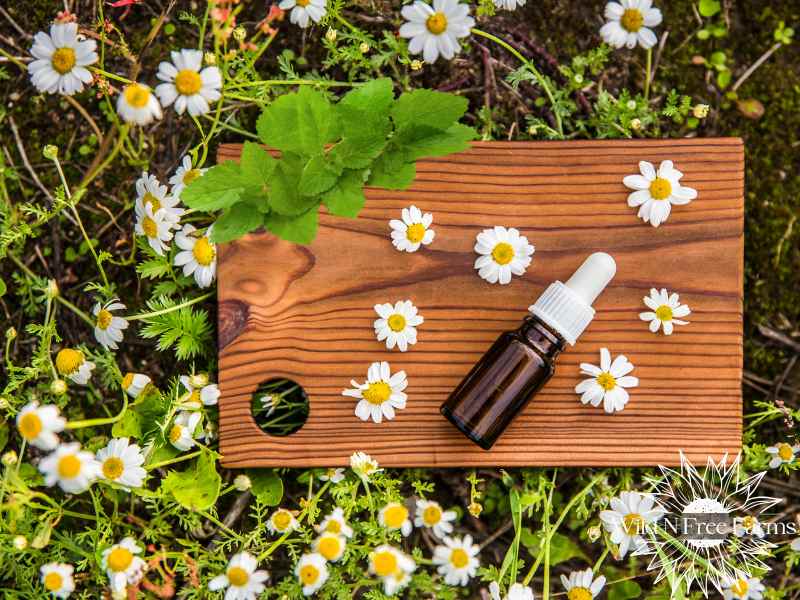
How to Make Lemon Balm Tincture: Step-by-Step Recipe
Learning how to make lemon balm tincture is straightforward and requires minimal ingredients. This lemon balm tincture recipe uses fresh or dried leaves for a potent DIY lemon balm tincture.

Lemon Balm Tincture
Equipment
- Glass Jar with a tight fitting lid
- Cheese cloth or fine mesh strainer
- Amber Dropper Bottles
Ingredients
- 1 cup Fresh Lemon Balm Leaves (or ½ cup dried)
- 1 1/2 cups 80-Proof Vodka or another neutral high-proof alcohol
Instructions
- Wash and chop the lemon balm leaves to release their essential oils, enhancing the benefits of lemon balm tincture.
- Pack the chopped leaves into the jar, filling it about halfway for this lemon balm tincture recipe.
- Pour the alcohol over the leaves until fully covered, leaving a little headspace.
- Seal the jar tightly and shake it well. Store in a cool, dark place, shaking daily for 4-6 weeks to infuse the DIY lemon balm tincture.
- After infusion, strain the mixture through cheesecloth into dropper bottles. Your homemade lemon balm tincture is ready!
Other Beneficial Ingredients to Add to Your Lemon Balm Tincture
To boost the lemon balm tincture benefits, consider adding synergistic herbs to your DIY lemon balm tincture.
- Chamomile (Matricaria chamomilla): Chamomile is renowned for its soothing properties, making it a great addition to a lemon balm tincture recipe for anxiety. A 2016 study in Phytomedicine found chamomile effective in reducing generalized anxiety disorder symptoms. Add ¼ cup dried chamomile flowers to the jar during infusion to boost the homemade lemon balm tincture’s calming effects.
- Valerian Root (Valeriana officinalis): Valerian enhances lemon balm tincture for sleep and anxiety relief by promoting relaxation. A 2020 review in the Journal of Evidence-Based Integrative Medicine confirmed valerian’s efficacy for anxiety and insomnia. Include 2-3 tablespoons of dried valerian root in your lemon balm tincture recipe for a stronger sedative effect.
- Lavender (Lavandula angustifolia): Lavender’s aroma and compounds help reduce stress, complementing lemon balm for anxiety. A 2019 study in Phytotherapy Research showed lavender’s anxiolytic effects in clinical settings. Add ¼ cup dried lavender buds to your DIY lemon balm tincture for a floral, calming boost.
- Passionflower (Passiflora incarnata): Passionflower is effective for anxiety and restlessness, pairing well with homemade lemon balm tincture. A 2017 study in Complementary Therapies in Medicine found passionflower comparable to anti-anxiety medications in some cases. Incorporate ¼ cup dried passionflower to enhance your lemon balm tincture benefits.
Storing and Shelf Life of Lemon Balm Tincture
Proper lemon balm tincture storage is key to maintaining its efficacy. Store your homemade lemon balm tincture in dark glass bottles to protect from light, in a cool, dry cabinet. The lemon balm tincture shelf life is impressive—alcohol-based versions last 3-5 years, while glycerin ones should be used within 1-2 years. Always label with the date to track your DIY lemon balm tincture’s freshness.

Lemon Balm Tincture Dosage
Start low with lemon balm tincture dosage to gauge your body’s response. A typical recommendation is 15-30 drops (about 1-2 ml) of homemade lemon balm tincture, taken 1-3 times daily in water or under the tongue. For lemon balm for anxiety or lemon balm tincture for sleep, higher doses up to 60 drops daily may be effective, but consult a healthcare professional first, especially if combining with other herbs.

Lemon Ginger Elixir For Immune Support

Comfrey Salve and Lotion Provides Instant First-Aid Healing
Want To Cut Out More Toxins In Your Life?
Check out our Natural Remedy Index loaded with recipes designed to provide you true health! From beauty products, teas, lotions, first-aid, and so much more! This index will help you live a more natural, free life!
Contraindications and Side Effects
While the benefits of lemon balm tincture are plentiful, be aware of lemon balm tincture contraindications. Avoid if pregnant or breastfeeding, as safety data is limited. It may interact with thyroid medications, sedatives, or HIV drugs, potentially causing drowsiness or reduced alertness. Common side effects include mild nausea, dizziness, or increased appetite—rare but possible with high lemon balm tincture dosage. Always patch-test for allergies and consult a doctor for personalized advice on lemon balm tincture contraindications.

Mastering how to make lemon balm tincture opens up a world of natural wellness with this versatile DIY lemon balm tincture. Share your lemon balm tincture recipe experiences in the comments to help it trend!


