
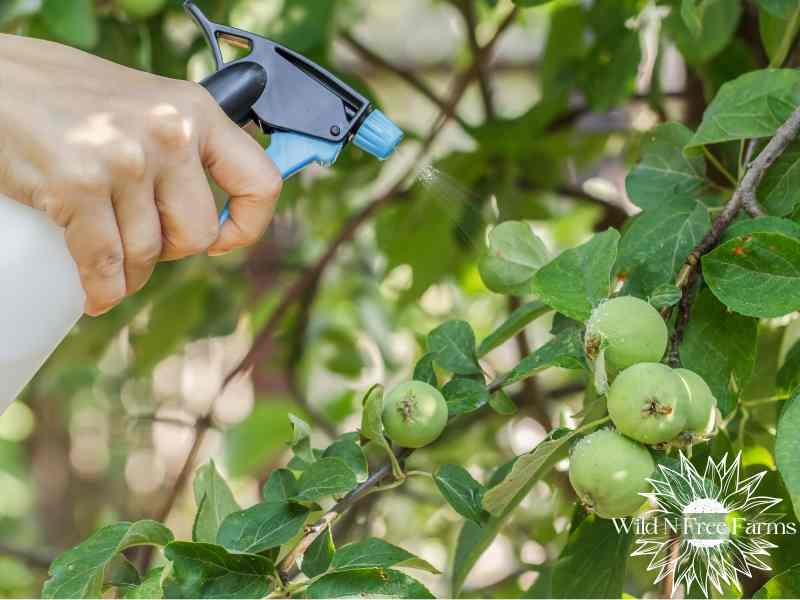
Copper vs. Sulfur: Which Organic Fungicide Is Best for Apple Trees?
Growing apples organically can be incredibly rewarding, but it also comes with challenges—namely fungal diseases. Conditions like apple scab, powdery mildew, and rust can quickly reduce yields and damage fruit quality if not managed properly. Thankfully, two time-tested organic fungicides—copper and sulfur—can help keep apple trees healthy without resorting to synthetic chemicals. But which one is best for your orchard? Let’s break it down.

Disclaimer
This post contains affiliate links. This means we may earn a commission should you chose to sign up for a program or make a purchase using these links. There is no added cost to you but your purchase through these links helps support our content! Not to worry- I truly believe in and/or use everything I promote!
We also utilize advertisements on many of our articles. This is simply a way to help support all the work we do here at Wild N Free Farms, without adding any extra cost to our readers. Check out our disclaimer and disclosure page for more details.
Copper Fungicide for Apples
What Copper Controls
Copper fungicides are broad-spectrum protectants that work best against bacterial and fungal diseases. For apples, copper is especially effective for:
- Apple scab
- Fire blight (bacterial disease)
- Cedar apple rust
- Leaf spots
Copper disrupts the enzymes of fungal and bacterial pathogens, preventing them from spreading.
How and When to Apply Copper
- Dormant season application is the most common—late winter or very early spring before bud break. This timing reduces the risk of damaging new leaf tissue.
- Copper can also be applied as a delayed dormant spray or early cover spray if disease pressure is high.
- Avoid over-application during the growing season, as copper can cause leaf burn or russeting on fruit.
Tip: Always apply copper when temperatures are above freezing and rain is not imminent, as it needs time to dry on the bark and buds.
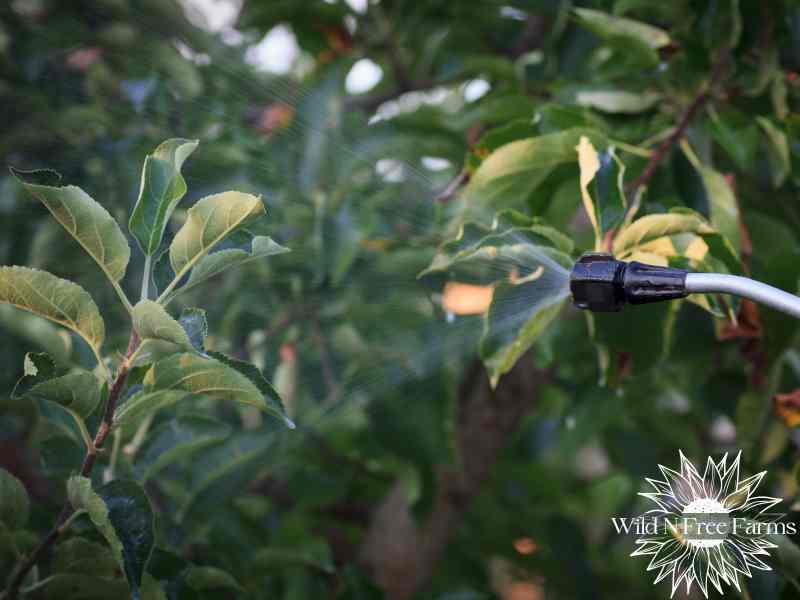
Sulfur Fungicide for Apples
What Sulfur Controls
Sulfur is one of the oldest organic fungicides and is particularly effective against powdery-type fungi. For apple trees, sulfur is best used to manage:
- Powdery mildew
- Rust diseases (including cedar apple rust)
- Apple scab (with repeated applications)
Sulfur works by preventing fungal spores from germinating, making it a strong preventative option rather than a cure.
How and When to Apply Sulfur
- Apply sulfur as a protective spray throughout the growing season, starting at tight cluster or pink bud stage and repeating every 7–10 days if conditions are warm and humid.
- Unlike copper, sulfur is generally safer to use on actively growing tissue.
- Do not apply when temperatures are above 85°F, as sulfur can burn leaves and fruit in hot conditions.
Tip: Sulfur also has some insect-repelling properties, offering added protection against mites.
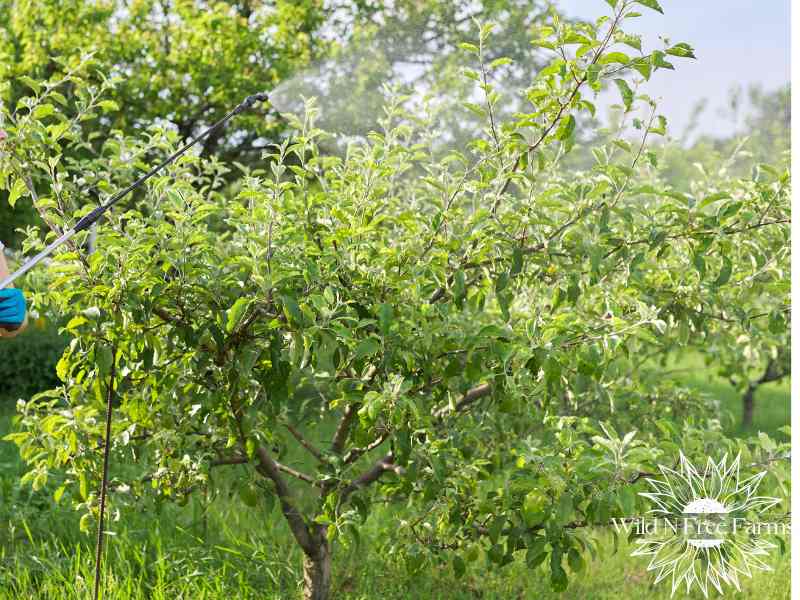
Copper vs. Sulfur: Which Should You Choose?
The best fungicide depends on the specific disease pressure in your orchard:
- If you’re battling fire blight or bacterial diseases, copper is your go-to.
- If powdery mildew is your biggest issue, sulfur will serve you best.
- For apple scab and rust, both can work, but sulfur is often safer for repeated applications during the growing season.
Many organic orchardists use both copper and sulfur at different times of the year—copper for dormant sprays, sulfur for in-season protection.
Extra Tips for Organic Apple Fungicide Use
- Rotate applications when possible to reduce the risk of pathogens building resistance.
- Maintain good airflow by pruning apple trees properly—this reduces humidity and fungal pressure.
- Clean up fallen leaves and fruit at the end of the season to reduce overwintering spores.
- Always follow label instructions for dilution rates and application frequency. Even organic sprays can damage trees if misused.
Both copper and sulfur are powerful tools in an organic apple grower’s toolbox. Use copper early in the season to knock back overwintering diseases and bacterial threats, and sulfur during the growing season to keep powdery mildew, rust, and scab at bay. Combined with good orchard hygiene and proper pruning, these organic fungicides can help you enjoy healthier trees and higher-quality fruit without compromising your organic principles.


