How to Make Money Homesteading: 15 Realistic Ways to Earn an Income
If you’re wondering how to make money homesteading, the answer usually isn’t one big idea. It’s a few small income streams that grow out of what your land, animals, and kitchen already produce. Extra eggs, a surplus of tomatoes, a sourdough starter that never quits, or a skill you’ve picked up along the way can all help pay for feed, seeds, and fencing, and sometimes a lot more.
In this guide, I’ll share 15 realistic ways to earn income from your homestead, how to price what you sell so you actually make a profit, and the rules and record-keeping steps to think about before you start. You don’t need acres of land or a big investment. You need a plan, a little patience, and a willingness to start small.

Disclaimer
This post contains affiliate links, so we may earn a commission if you sign up or buy through them, at no added cost to you. It helps support our content, and I only share what I truly believe in or use. As an Amazon Associate I earn from qualifying purchases. We also run ads on many articles. See our disclaimer and disclosure page for details.
Before you jump in, remember that a profitable homestead starts with a productive one. Grow and raise what you can use first, and then sell the surplus and the skills that come with it.
Start With What You Already Have
The easiest homestead income comes from things you’re already doing. Take a quick inventory before you buy anything new:
- What Do You Have Too Much Of? Eggs, zucchini, herbs, compost, and worms are common examples.
- What Do People Ask You About? If friends keep asking for your bread, jam, or gardening advice, that’s market research.
- How Much Time Do You Really Have? Be honest. Livestock and markets need weekly time, while digital products and seasonal sales are more flexible.
- What Can You Sell Near You? Look at your local farmers markets, roadside stands, and community groups to see what’s missing.
A USDA SARE bulletin on marketing strategies notes that most successful farmers use a combination of marketing methods rather than relying on just one. The same is true on a small homestead. Two or three small income streams are steadier than one.
Stay Up To Date
Enter your name and email to subscribe to our weekly newsletter, announements and freebies!
15 Realistic Ways to Make Money Homesteading
Sell What You Grow
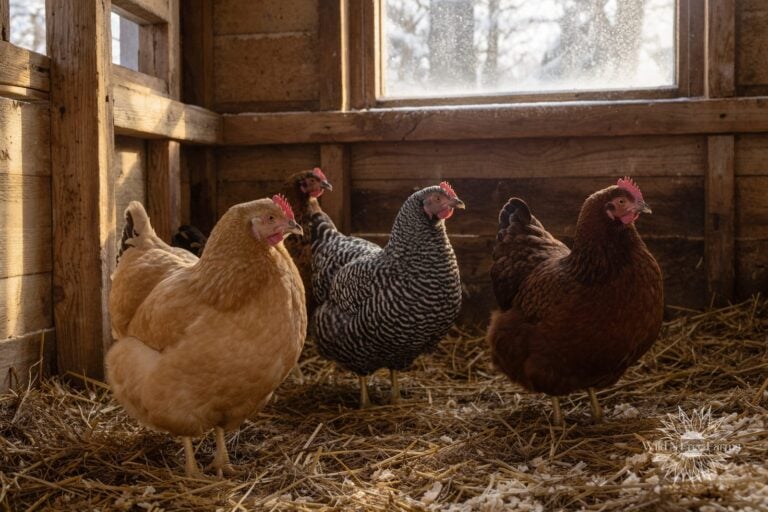
1. Farm-Fresh Eggs: Eggs are the classic homestead starter business because a small flock lays more than most families can eat. Rules for cleaning, refrigerating, cartons, and labels vary a lot by location, so check with your local agriculture or food safety office first. If you’re just getting started, our complete guide on chickens for beginners walks you through setting up a flock.
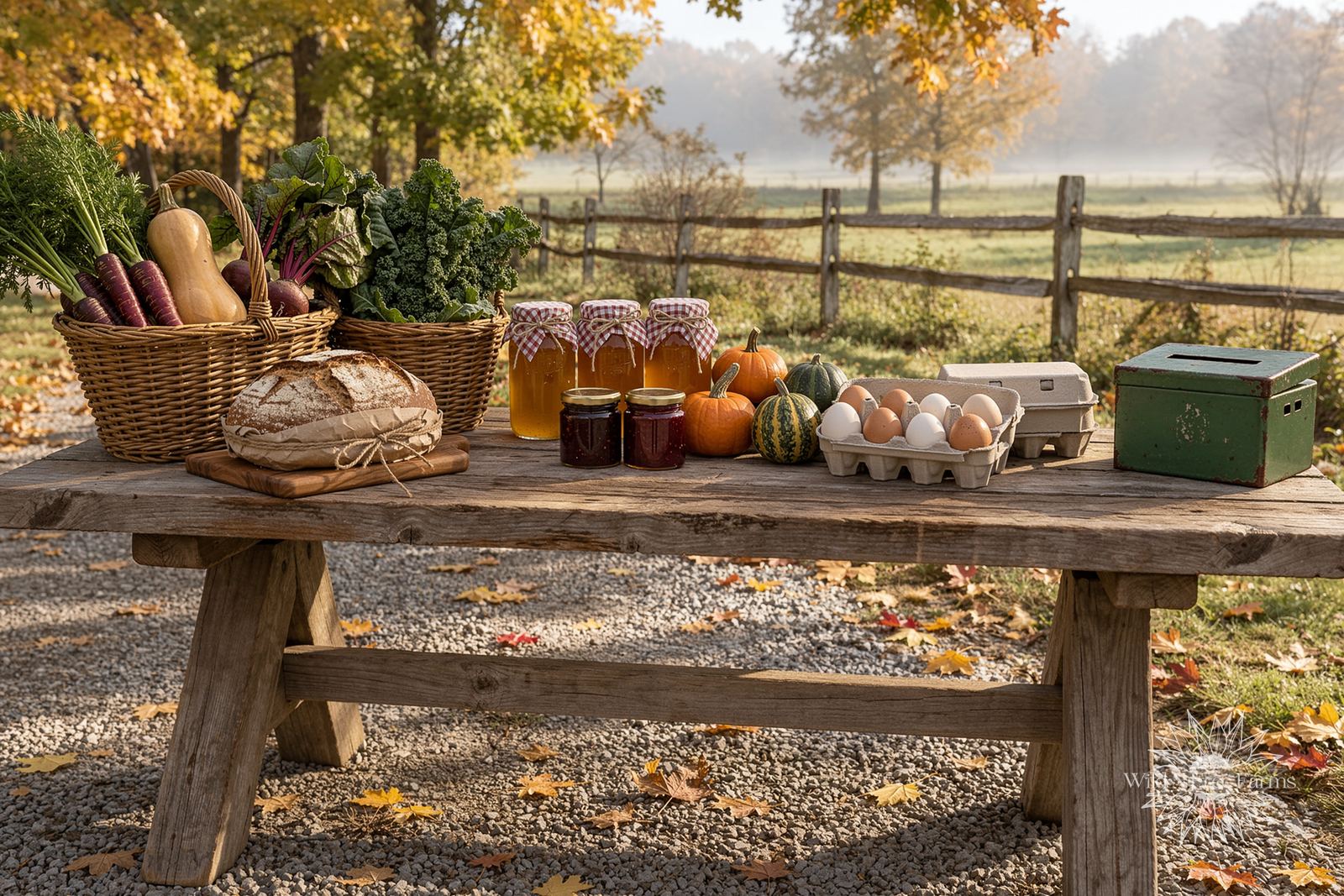
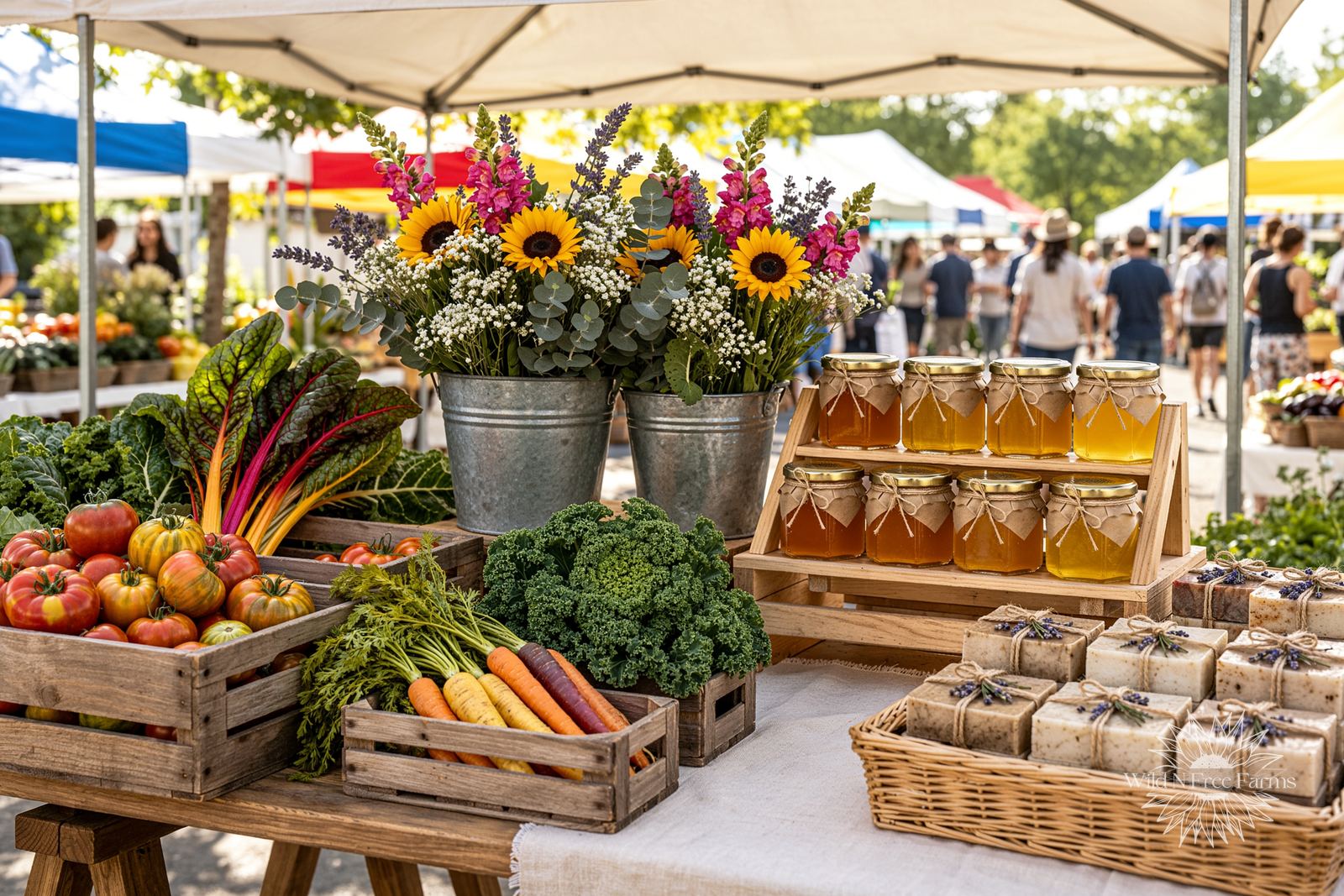
2. Surplus Produce and a Farm Stand: A simple roadside stand or a table at a farmers market turns extra vegetables into cash. Grow a few high-demand crops like tomatoes, peppers, salad greens, and garlic, and keep the stand clean, stocked, and clearly priced.
3. Cut Flowers: Bouquets of zinnias, sunflowers, and cosmos sell well at markets and stands, and flowers grow beautifully alongside vegetables. Mixed bouquets in mason jars are an easy upsell.
4. Herbs and Herbal Teas: Fresh herb bundles, dried culinary herbs, and loose tea blends are small, lightweight, and have a long shelf life. Our guide to drying herbs covers how to dry and store them for the best quality.
5. Plant Starts, Cuttings, and Runners: If you start your own seeds, extra tomato and pepper seedlings sell quickly in spring. Many perennials multiply on their own, too. Extra strawberry runners and elderberry cuttings can become bare-root plants to sell. Check whether your area requires a nursery license first.
Sell What You Make
6. Sourdough Bread and Starter: Fresh sourdough is one of the most popular homemade foods at markets. Dried starter is easy to package and ship, too. Our posts on an easy sourdough recipe for beginners and how to dehydrate sourdough starter are a great place to start.
7. Jams, Jellies, and Preserves: Many places allow homemade high-sugar jams and jellies to be sold under cottage food rules, while low-acid canned foods like vegetables and meats are often not allowed. Always use tested recipes from trusted sources such as the National Center for Home Food Preservation, and label your jars clearly.
8. Honey and Beeswax: A couple of hives can produce honey to sell, plus beeswax for candles, wraps, and balms. Beekeeping has a learning curve, so plan on a season or two before you have a surplus.
9. Salves, Balms, and Soaps: Herbal body products make lovely gifts and market items. Be careful with how you describe them, though. The U.S. FDA explains that a product meant to treat or prevent a disease is regulated as a drug, even if it’s a homemade balm, so stick to describing scent, ingredients, and how it feels on the skin. Learn the basics in our post What Are Salves and How Can They Be Used?.
10. Homemade Extracts and Pantry Gifts: Vanilla extract, dried soup mixes, spice blends, and herb salts are inexpensive to make and popular around the holidays. Our homemade extracts guide shows how to make vanilla, almond, lemon, and peppermint.
Introducing
A Foolproof way to start your starter from scratch!

Enabling both beginners and seasoned bakers to track and schedule their sourdough starter, this product supports the development of a healthy and active starter.
Clear, user-friendly layout with day-by-day tracking spaces where you can jot down your starter’s progress.
This Sourdough Starter Tracker & Schedule isn’t just a tool, but a companion on your quest to master the art of sourdough!
Sell What You Raise
11. Hatching Eggs, Chicks, and Breeding Stock: Purebred or heritage poultry, rabbits, and goats can sell for more than meat or eating eggs, especially in spring. Good records on bloodlines and health help you build a reputation.
12. Pastured Meat: Meat chickens, rabbits, pigs, and lambs can be profitable, but this is the most regulated option. Many places require meat sold to the public to be processed at an inspected facility, so contact your local agriculture department before you raise animals for sale. Our guide to integrating livestock in small spaces can help you decide which animals fit your land.
13. Worms, Castings, and Compost: A worm bin turns kitchen scraps into worm castings that gardeners pay good money for, and the worms themselves sell to gardeners and anglers. Learn how to get started with vermiculture for beginners.
Sell What You Know
14. Classes and Workshops: People want to learn the skills homesteaders take for granted. Bread baking, canning, cheesemaking, soap making, and chicken-keeping classes can be held in your kitchen, at a library, or at a community center. Our list of homesteading skills to learn this winter is full of ideas you could teach.
15. Digital Products, Blogging, and Video: Ebooks, printable planners, online courses, blogs, and videos let you share your homestead with people anywhere in the world. They take time to build, but they can earn income year-round without extra animals or acres. Our own Seed Starting for Success guide is one example of a digital product.
How to Price Homestead Products for Profit
Underpricing is the most common mistake new sellers make. Mississippi State University Extension recommends starting with your break-even price, which is the minimum you must charge to cover all of your costs:
- Variable Costs: Things that go up the more you make, like seeds, feed, jars, sugar, packaging, labels, and your own labor.
- Fixed Costs: Things you pay no matter how much you sell, like insurance, equipment, market fees, and a share of rent or property taxes.
- Break-Even Price: Add your variable cost per unit and your fixed cost per unit. In Mississippi State’s example, $1.80 of variable costs plus $0.20 of fixed costs per pound means a break-even price of $2.00 per pound.
- Add a Markup: A 50 percent markup on that $2.00 break-even price gives a selling price of $3.00 per pound.
University of Minnesota Extension notes that retail margins typically range from 25 to 40 percent. Products that store well can sit near the low end, while perishable products need a higher margin to cover what spoils. And remember, your time has value. Virginia Cooperative Extension recommends keeping cost records for each product in each market channel so you know which ones actually pay.
| Product | Startup Cost | Time Needed | Best For |
|---|---|---|---|
| Eggs | Low to moderate (flock, coop, feed) | Daily chores | Steady weekly income |
| Produce and flowers | Low (seeds, soil, water) | Seasonal, heavy in summer | Farm stands and markets |
| Baked goods and jams | Low (ingredients, packaging) | Batch work, flexible | Markets and holiday sales |
| Body products | Low to moderate (oils, molds, labels) | Batch work, flexible | Gift seasons and online |
| Breeding stock and meat | Moderate to high | Daily care, processing | Experienced livestock keepers |
| Classes and digital products | Low | Upfront time, then flexible | Sharing skills year-round |
Know the Rules Before You Sell
Every country, state, province, and even county has its own rules, so a quick call before you start can save you a lot of trouble. Look into:
- Cottage Food Laws: These spell out which homemade foods you can sell, where you can sell them, how they must be labeled, and whether you need a permit or a food handler course.
- Eggs, Meat, and Dairy: These usually have their own separate rules for handling, processing, grading, and licensing.
- Business Licenses and Sales Tax: Many areas require a business license or seller’s permit, and some products are subject to sales tax.
- Zoning and Livestock Rules: Check limits on farm stands, signs, customer traffic, and the number or type of animals you can keep.
- Insurance: Product liability and farm insurance protect you if a customer gets hurt or sick.
In the United States, it also matters for taxes whether your homestead income counts as a hobby or a business. The IRS looks at several factors, including whether you run it in a businesslike way with complete and accurate records, how much time and effort you put in, and whether you depend on the income. Talk with a tax professional where you live about what applies to you.
Keep Simple Records From Day One
You don’t need fancy software. A notebook or a simple spreadsheet works fine. The point is to know which parts of your homestead are earning money and which ones are costing you.
- Track Every Expense: Feed, seeds, jars, fuel, market fees, and equipment. Keep receipts in one folder or envelope.
- Track Every Sale: Write down what you sold, where, and for how much.
- Track Your Time: Even a rough weekly estimate shows whether a product is worth the effort.
- Review Each Season: Drop what doesn’t pay, and do more of what does.

Tips for Building a Profitable Homestead
- Start Small: Pick one or two ideas, test them for a season, and grow from there.
- Sell Locally First: Friends, neighbors, church groups, and local social media groups are easy first customers.
- Stack Your Products: Customers who come for eggs may also buy bread, jam, or flowers.
- Focus on Quality: A clean stand, fresh product, and friendly service keep people coming back.
- Tell Your Story: People love buying from a real family. Share photos of your animals, garden, and kitchen.
- Reinvest Wisely: Put early profits back into the parts of your homestead that earn the most.
How to Make Money Homesteading FAQ
Can you really make a living homesteading?
Some people do, but most homesteaders earn supplemental income that offsets their costs. It usually takes several income streams and a few years of building customers to replace a full-time income.
What is the most profitable thing to sell on a homestead?
It depends on your area, your skills, and your costs. Value-added products like baked goods, preserves, and body products, plus skills like classes and digital products, often bring a higher return than raw produce because you add your labor and know-how.
How much land do I need to make money homesteading?
Less than you might think. Eggs, herbs, cut flowers, sourdough, worms, and digital products all work on a small lot. Livestock for meat or breeding needs more space.
Do I need a license to sell eggs or baked goods?
Often, yes, or at least you need to follow specific rules. Requirements vary widely, so check your local cottage food and agriculture regulations before your first sale.
Grow Your Homestead Income One Step at a Time
Learning how to make money homesteading is really about turning your everyday work into value for other people. Start with what you already grow, make, raise, or know, price it to cover your true costs, follow your local rules, and keep good records. Pick one idea from this list to try this season. Small, steady income streams add up, and before long your homestead may be paying for itself.
Sources
- Mississippi State University Extension. Setting Prices for Fresh Produce and Value-Added Products (P4140).
- University of Minnesota Extension. Direct Marketing Farm Products.
- Virginia Cooperative Extension. Selling Directly to Buyers: How to Price Your Products (AAEC-97).
- Sustainable Agriculture Network / USDA SARE. Marketing Strategies for Farmers and Ranchers.
- Internal Revenue Service. How do you distinguish between a business and a hobby?
- U.S. Food and Drug Administration. Is It a Cosmetic, a Drug, or Both? (Or Is It Soap?)