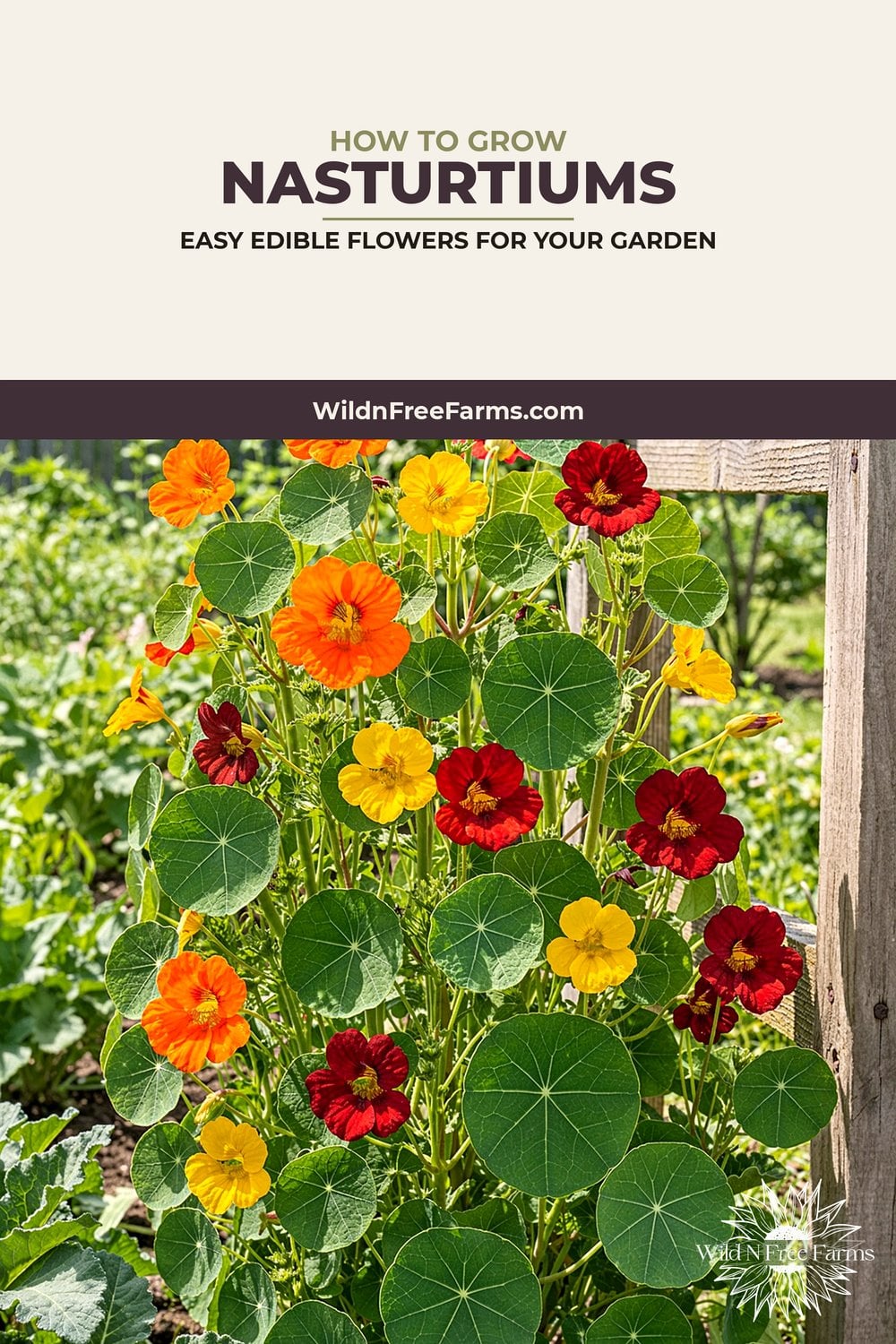
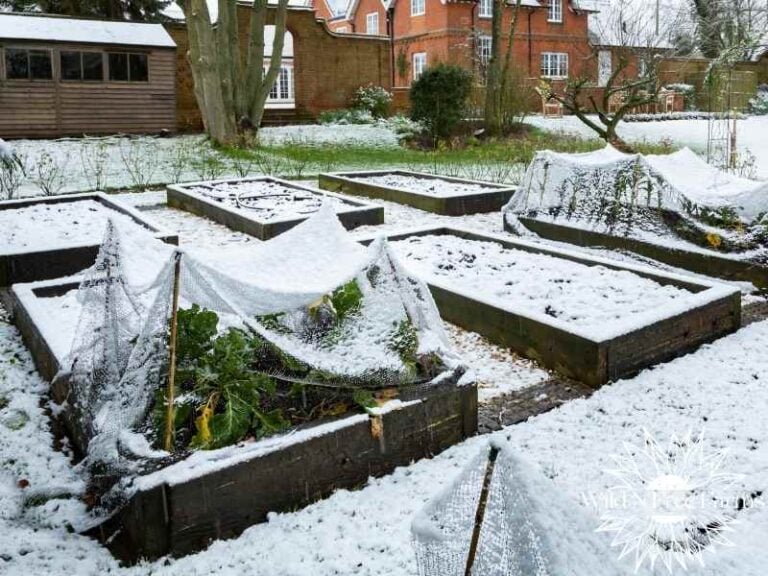
How to Grow Nasturtiums: Easy Edible Flowers for Your Homestead Garden
If you want one flower that earns its place in a vegetable garden, how to grow nasturtiums is a great thing to learn. They’re one of the easiest annuals you can sow from seed, they bloom in bright oranges, yellows, and reds from early summer until frost, and every above-ground part is edible, with a peppery bite like watercress.
Winter is the perfect time to plan, because nasturtiums are sown straight into the garden once the weather warms. In this guide I’ll cover the varieties worth growing, exactly how and when to sow the seeds, the one mistake that gives you leaves but no flowers, common pests, how to use nasturtiums as companion plants, and how to harvest and eat them.

Disclaimer
This post contains affiliate links, so we may earn a commission if you sign up or buy through them, at no added cost to you. It helps support our content, and I only share what I truly believe in or use. As an Amazon Associate I earn from qualifying purchases. We also run ads on many articles. See our disclaimer and disclosure page for details.
The growing details below come from university extension sources, so they hold up in home gardens from cool climates to warm ones. Where advice differs between sources, I’ll tell you.
What Are Nasturtiums?
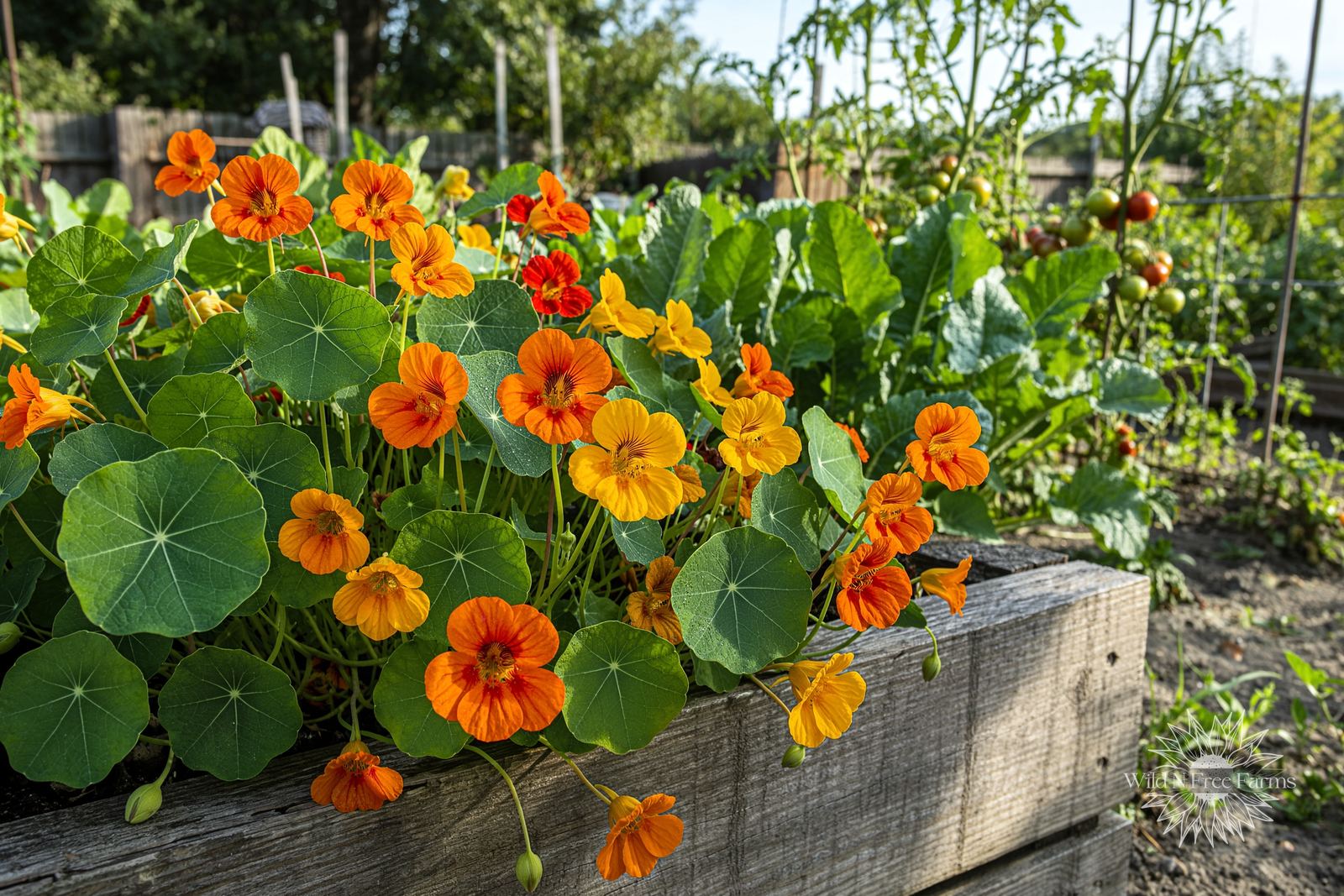
Nasturtium is the common name of two garden species, according to University of Wisconsin-Madison Extension: Tropaeolum majus, the trailing nasturtium, and Tropaeolum minus, the bush nasturtium. They’re easy-to-grow tender perennials (hardy to about zone 9a) that are grown as annuals in cold climates. The name refers to a mustard oil similar to the one in watercress, which is where the peppery flavor comes from.
The flowers are typically 2 to 2 1/2 inches wide with five petals and a funnel-shaped nectar spur on the back, and the round, parasol-like leaves look like tiny lily pads. Each flower produces a three-part fruit, with a single large seed in each part.
- Trailing Types: Long, rambling stems that spill from containers and beds, cover the ground, or can be trained up a trellis. NC State Extension says climbing types can reach up to 10 feet.
- Bush (Dwarf) Types: Compact mounds, around 12 inches tall according to NC State, that suit edging, borders, and containers.
Wisconsin Extension adds that trailing types are sometimes labelled “climbing,” but they have no tendrils and don’t climb well by themselves, so tie them to a support if you want height.
Why Grow Nasturtiums on the Homestead?
- They’re Edible: NC State Extension lists the leaves, buds, flowers, pods, and seeds as edible, with a spicy, peppery taste. The roots are the exception.
- They’re Low-Maintenance: They tolerate drought and neglect, and they prefer poor to average soil.
- They Fill Gaps: University of Vermont Extension describes nasturtiums as a colorful ground cover that helps keep weeds down.
- They Support Pollinators: Utah State University Extension lists nasturtium among the plants to interplant to attract pollinators. Our guide to attracting pollinators has more flowers to try.
- They May Draw Aphids Off Your Crops: Several extension sources suggest using nasturtiums as a trap crop. We’ll look at that more honestly below.
Best Nasturtium Varieties to Grow
Nasturtiums come in many shades now, from deep reds and oranges to creams and soft peaches. These are some of the varieties Wisconsin Extension and UC Master Gardeners recommend:
| Variety | Habit | Notes |
|---|---|---|
| Jewel series / Jewel Mix | Bushy dwarf | Single flowers in red, pink, yellow and orange shades; fluted petals; good in containers. |
| Empress of India | Compact | Dark green leaves and brilliant crimson flowers; a classic for containers. |
| Peach Melba | Dwarf | Cream-yellow flowers with orange markings in the throats; performs well in containers. |
| Tom Thumb | Compact, 6 to 9 inches | Large, vivid yellow, red and orange blooms; good for small gardens. |
| Alaska | Compact, bushy | Flowers in various colors. |
| Troika series | Vines 3 to 4 feet | Large single flowers and variegated foliage. |
For compact plants, I’d start with a Jewel blend. Botanical Interests Jewel Blend Nasturtium Seeds are listed as a compact edible variety under 12 inches tall, and True Leaf Market Jewel Mix Nasturtium Seeds are also described as good in containers. If you want something to spill over a bed or climb a trellis, try Botanical Interests Single Blend Trailing Nasturtium Seeds.
How to Grow Nasturtiums From Seed
1. Choose the Right Time
Nasturtiums are warm-weather annuals. Wisconsin Extension says to sow seed in the garden in late spring to early summer once all danger of frost has passed. In mild climates, the UC Master Gardeners fact sheet says nasturtiums are a cool to warm season annual that doesn’t like blistering heat, and its planting window for the inland valleys and deserts of Southern California is late winter to spring. Wherever you live, think “after frost, before the hottest part of summer.”
2. Pick a Sunny Spot With Poor to Average Soil
Plant nasturtiums in well-drained soil in full sun. Wisconsin Extension says they’ll grow in partial shade but won’t bloom well there. Cornell describes them as tolerant of droughty soil and low fertility, preferring poor, sandy soil, and notes that overly rich soil deters flowering. This is the opposite of what your vegetable beds need, so tuck them into an edge, a corner, or a container rather than a heavily composted bed.
3. Soak the Seeds
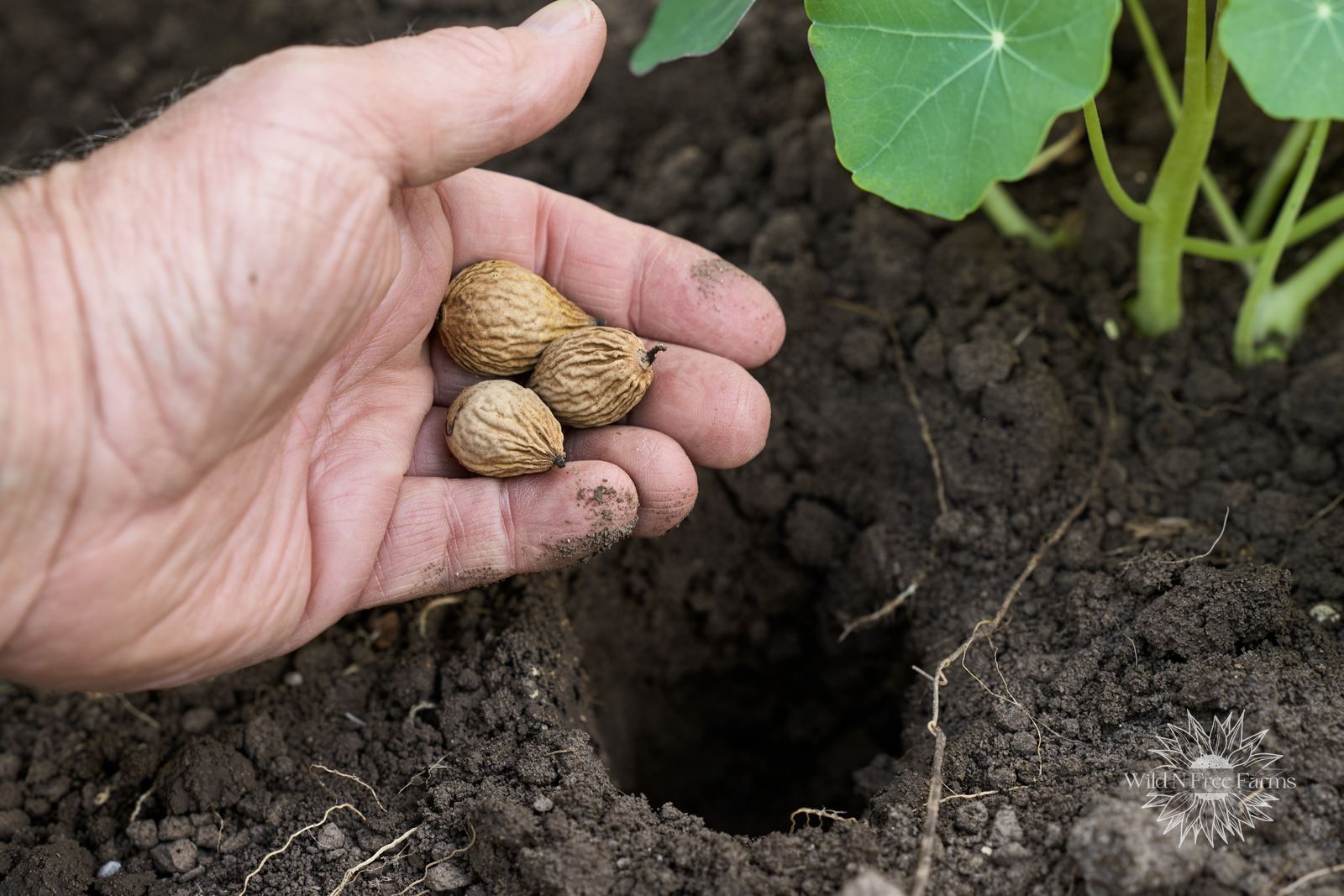
Soaking seeds for a few hours or overnight before planting can improve germination, according to both Wisconsin and Illinois Extension. The seeds are large and wrinkled, so they’re easy to handle.
4. Sow Directly Where They’ll Grow
Sow seeds 1/2 inch deep and 10 to 12 inches apart. Wisconsin Extension notes that nasturtium seeds need darkness to germinate, so cover them. Cornell lists a germination temperature of 55 to 65°F (13 to 18°C), and seedlings typically appear in 7 to 10 days.
Starting indoors is where the sources differ. Wisconsin Extension says you can start seed in peat pots 4 to 6 weeks before your last frost. Illinois Extension and Cornell recommend sowing directly, because nasturtiums don’t transplant well. If you do start them early, use biodegradable pots so the roots aren’t disturbed.
5. Keep the Seedbed Moist
Illinois Extension says to keep the seedbed moist until seedlings are up. After that, nasturtiums handle dry spells well, but regular watering during the growing season keeps them blooming strongly.
Nasturtium Care: Water, Fertilizer and Deadheading
- Don’t Fertilize: Wisconsin Extension says not to fertilize except in extremely poor soil, because high fertilizer rates promote leaf growth and reduce flowering. UC Master Gardeners say the same: too much fertilizer or soil that’s too rich gives lush foliage and few flowers.
- Water Regularly, Not Heavily: They like dry soil and tolerate drought, but steady water keeps them blooming. Illinois Extension notes that well-watered plants have milder-tasting leaves and flowers than heat-stressed ones.
- Deadhead or Pick Flowers: Deadheading or picking the flowers prolongs blooming. Nasturtiums keep blooming until frost.
- Cut Back Leggy Plants: If plants decline or get leggy in summer, Illinois Extension says to cut them back lightly and they’ll push out new growth for the rest of the season.
- Support Trailing Types: Train vining varieties onto a trellis or fence, as Cornell advises.
If your soil is on the heavy side, you can read more about what makes good soil in our loam soil guide, but remember that nasturtiums don’t need the rich soil your tomatoes love.
Stay Up To Date
Enter your name and email to subscribe to our weekly newsletter, announements and freebies!
Nasturtium Pests and Problems
Nasturtiums have few serious pests, but there are a few things to watch for.
- Aphids: Wisconsin and NC State Extension both list aphids. Check plants often.
- Imported Cabbageworm: Wisconsin Extension lists these caterpillars as one of the most common nasturtium pests.
- Mealybugs and Whiteflies: NC State lists these as things to watch for.
- Leafminers: They make squiggly trails in the leaves, but Wisconsin Extension says this doesn’t damage the plant.
- Few Flowers: Usually too much fertilizer or rich soil, or too much shade. Move your next planting to a sunnier, poorer spot.
- Strong, Spicy Flavor: Heat-stressed plants can turn out leaves and flowers that are more pungent than most people like. Keep plants watered and cut back.
- Self-Seeding: Plants self-seed readily. In warm, mild climates they bloom and seed year-round and may become invasive, though Wisconsin Extension says reseeding is not a problem in cold climates.
For more garden pest help, see our guide to natural pest control methods.
Nasturtiums as a Companion Plant
Nasturtiums are a classic companion plant. Washington State University Extension notes that gardeners who plant nasturtiums near their vegetables to lure insects away are using a trap crop, and lists nasturtiums as a trap crop for aphids and flea beetles. a UC Master Gardeners article suggests planting them next to cucumbers, kale, and tomatoes. Utah State University Extension lists nasturtium as a trap crop for brassicas such as broccoli, cabbage, cauliflower, kale and Brussels sprouts.
There are some important tips. WSU says to plant the trap crop before your main crop flowers, check it often, and remove infested plants, because unattended trap crops simply multiply the pests. The University of Vermont recommends planting nasturtiums away from crops prone to aphids, such as cabbage and green beans, so aphids are drawn away from them, and cautions that a trap crop can attract a pest you didn’t have before.
I treat nasturtiums as a helpful extra rather than a guarantee. Extensions recommend the practice, but it works best alongside good habits like crop rotation, mixed plantings, and regular checking.
How to Harvest and Eat Nasturtiums
Both leaves and flowers can be harvested all season. Illinois Extension says young leaves are the most tender and flavorful, and Wisconsin Extension notes that older leaves can be bitter and that the flowers are less intensely flavored than the leaves. Flavor is spicier in sunnier, hotter weather.
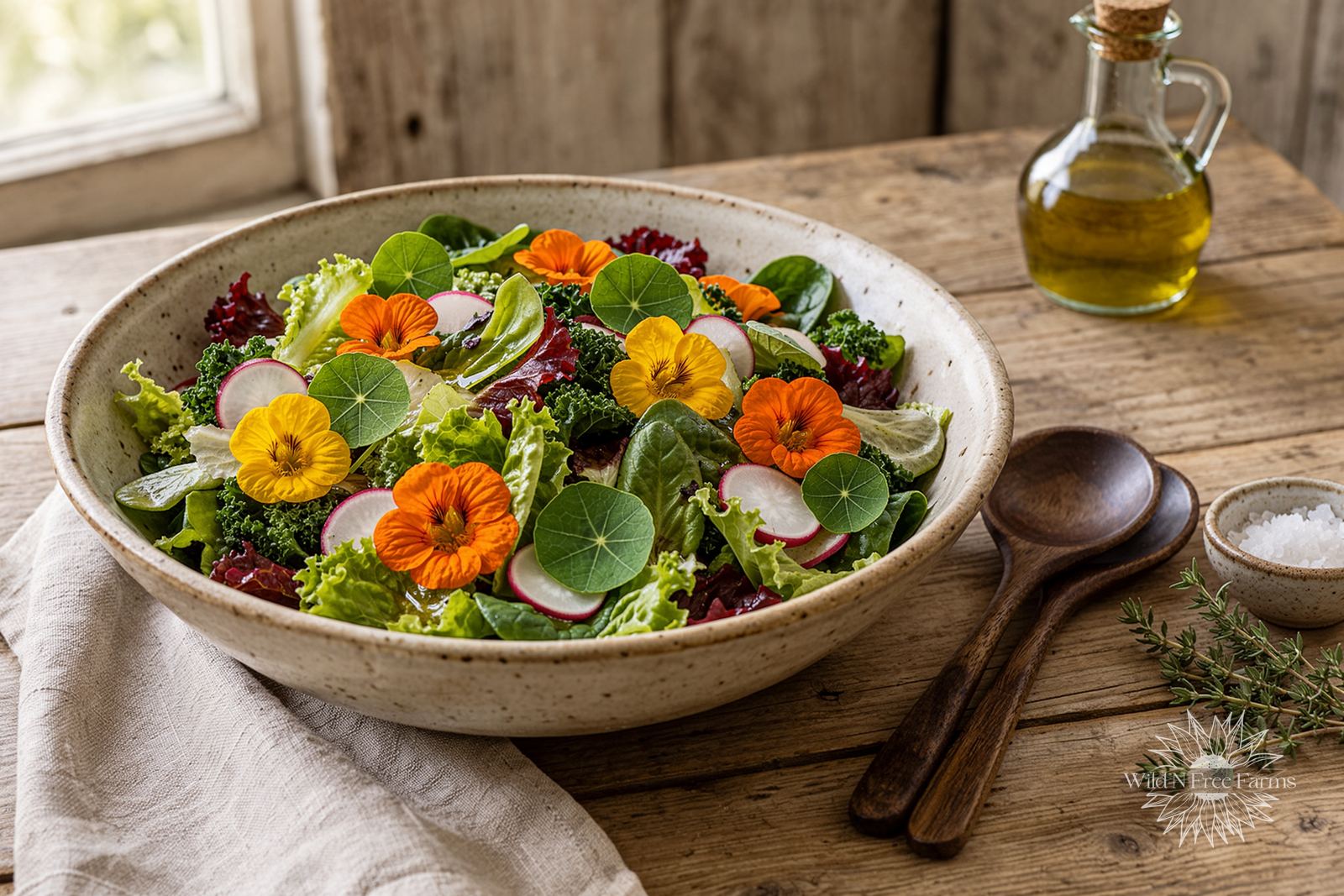
- Flowers: Use whole as a colorful garnish on salads, cold drinks, and plates.
- Leaves: Chop into salads, potato salad, egg dishes, or use as a peppery green.
- Buds and Immature Seed Pods: Illinois Extension says they’re edible and have been likened to capers when pickled. NC State says the seeds can be used as a caper substitute. I don’t have a tested pickling recipe, so I won’t give one here. Follow a tested pickling recipe from the NCHFP or your local extension service.
- Storage: Illinois Extension says leaves and flowers can be stored in plastic bags in the refrigerator.
A quick safety note: only eat flowers you’ve grown yourself without sprays that aren’t food-safe, and never eat flowers from a florist or nursery that may have been treated with pesticides. Start with a small amount to see how you like the spicy flavor.
Growing Nasturtiums in Containers
Nasturtiums do well in pots and window boxes. Wisconsin Extension says trailing types look great in hanging baskets and window boxes, and compact varieties such as Empress of India, Peach Melba, and Tom Thumb suit containers. Use a pot with drainage, a lean potting mix, and plenty of sun. As with in-ground plants, skip the fertilizer so they keep flowering.
How to Grow Nasturtiums: FAQs
Do nasturtiums come back every year?
In most climates, they’re grown as annuals. Wisconsin Extension says they’re tender perennials (zone 9a) that are grown as annuals in cold climates. They self-seed, so volunteers may appear next year.
Are all parts of the nasturtium edible?
According to NC State Extension, all parts except the roots are edible, including the leaves, buds, flowers, pods, and seeds.
Why is my nasturtium all leaves and no flowers?
The most likely cause is too much fertilizer or soil that’s too rich. Too much shade can also reduce blooms.
Do nasturtiums need full sun?
Full sun gives the best blooms. Wisconsin Extension says they tolerate partial shade but won’t bloom as well. NC State suggests a bit of afternoon shade in hot summers.
Can I grow nasturtiums indoors?
Botanical Interests says its compact Jewel Blend can be grown in a south window in winter. Give them as much light as possible and keep them lean on fertilizer. Because nasturtiums don’t transplant well, sow the seeds in the pot where they’ll stay.
Plant Nasturtiums This Season
Learning how to grow nasturtiums takes almost no effort: sow soaked seeds in a sunny, lean spot after frost, skip the fertilizer, water regularly, and pick the flowers often. You’ll get edible blooms, a splash of color, and a possible helper in your vegetable garden. If you’re planning more of your garden this winter, see how to build a simple crop rotation plan too.
Sources
- University of Wisconsin-Madison Extension, Wisconsin Horticulture. Nasturtium, Tropaeolum species.
- University of Illinois Extension. Nasturtium.
- NC State Extension Gardener Plant Toolbox. Tropaeolum majus.
- Cornell University, Home Gardening. Growing Guide: Nasturtium.
- UC Master Gardeners. Flower Fact Sheet: Nasturtium.
- UC Master Gardeners, Garden News & Views. Nasturtiums: Jewels in the Garden.
- Washington State University Extension. Trap Cropping.
- University of Vermont Extension. Creating a Biodiverse Vegetable Garden.
- Utah State University Extension. Creating Sustainable School and Home Gardens: Companion Planting.